Best Shipping Container Locks for Maximum Security: A Comprehensive Guide

Shipping containers play a crucial role in global trade, carrying all kinds of goods around the world. Keeping these containers secure is essential to prevent theft and protect valuable cargo. Picking the right lock is a key part of ensuring security. This guide delves into the various locks made specifically for shipping containers, the important features to look for, and tips to help you select the best lock for your needs.
Heavy Duty Container Locks
Heavy-duty container locks are built to offer maximum security against unauthorized access. These locks are typically constructed from hardened steel, making them resistant to physical attacks. The robust design and advanced locking mechanisms ensure these locks can withstand significant force and tampering attempts.

Heavy-duty container locks are ideal for high-risk areas where theft is a major concern. They are often used in environments where containers are left unattended for long periods, such as shipping yards and container depots. The strength and durability of these locks make them a preferred choice for securing valuable cargo.
Types of Cargo Container Locks
Shipping container locks are specifically designed for securing standard shipping containers. These locks come in various forms, including bolt locks, padlocks, and crossbar locks.
-
Bolt Locks: Known for their strength and reliability, bolt locks are inserted into pre-drilled holes in the container door. They provide a high level of security by creating a physical barrier that is difficult to breach.
-
Padlocks: Offering versatility and ease of use, shipping container padlocks can be used with hasps or lockboxes to secure container doors. High-security padlocks made from hardened steel are recommended to withstand cutting and drilling attempts.
-
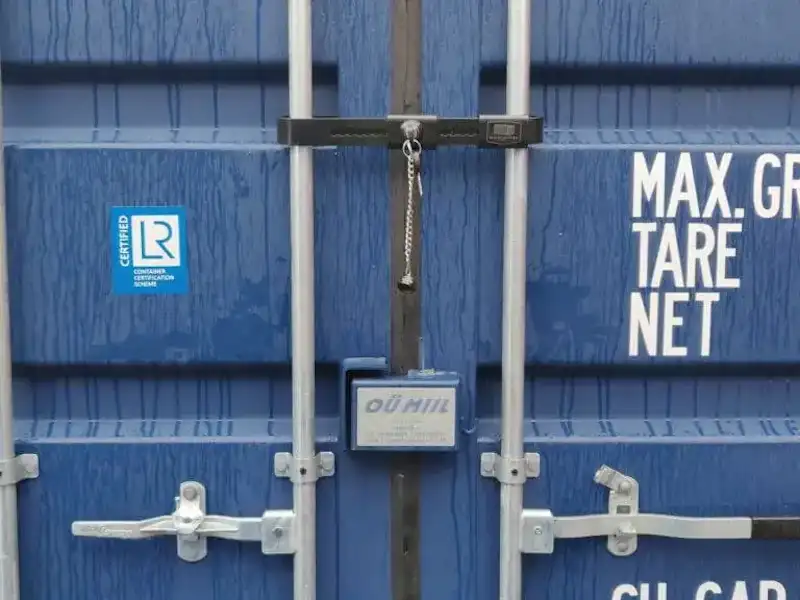
Crossbar Locks: These locks provide an additional layer of security by spanning the width of the container doors. The crossbar design makes it challenging to pry the doors open, adding an extra level of protection.
Each type of lock offers different levels of security and convenience depending on your specific usage.
Cargo Door Lock Boxes
Cargo door lock boxes enhance security by encasing the lock within a steel box, making it much harder for thieves to tamper with or cut the lock. These lock boxes are especially effective against tools like bolt cutters and saws. Lock boxes are available for both swing doors and roll-up doors, providing versatile security solutions for different container types.
Lock boxes are particularly useful for high-value shipments and in areas where there is a higher risk of theft. By protecting the lock mechanism, lockboxes help ensure that the container remains secure and that the contents are safe from unauthorized access.
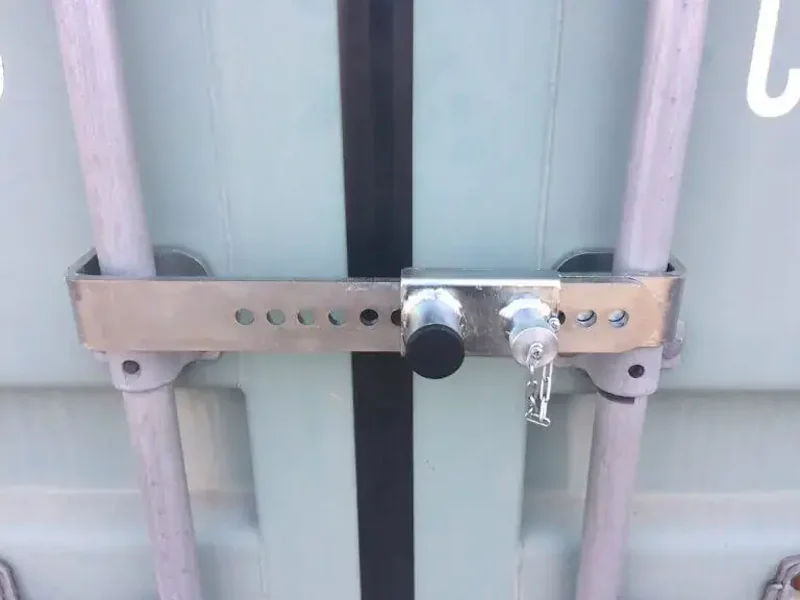
Roll-Up Door Lock Boxes
Roll-up door lock boxes are designed specifically for containers with roll-up doors. These lock boxes encase the lock mechanism to protect it from tampering and weather damage. The robust construction of roll-up door lock boxes ensures the lock remains secure and functional even in harsh conditions.
Roll-up door lock boxes are essential for maintaining the integrity of the lock and ensuring the security of the container’s contents. They are an excellent choice for containers that are frequently accessed, as they provide durable and reliable security without compromising convenience.
What to Look for in a Shipping Container Lock
1. Weather Resistance
Shipping containers are often exposed to harsh weather conditions, including rain, snow, and saltwater. A good container lock should be weather-resistant to prevent rust and corrosion, which can compromise its integrity. Look for locks made from stainless steel or other corrosion-resistant materials. These materials will ensure that the lock remains functional and secure over time, even when exposed to severe environmental conditions. Regular maintenance of your shipping container in conjunction with a weather-resistant lock will prolong the life of your unit.
2. High CEN Rating
The Central European Norm (CEN) rating system classifies locks based on their resistance to various forms of attack. A high CEN rating indicates that the security locks for shipping containers have been tested and proven to withstand significant force and tampering. For shipping containers, it is advisable to choose locks with at least a CEN grade 4 or higher. This rating ensures that the lock provides a high level of security and is capable of withstanding attempts to break or tamper with it.
3. Drilling Protection
Storage container security locks with drilling protection are designed to resist drilling attacks, which are common methods used by thieves to bypass security. These locks have hardened steel inserts or plates that prevent drill bits from penetrating the lock mechanism. Ensuring your lock has drilling protection is crucial for maintaining the security of your container. Drilling protection adds an extra layer of defense, making it significantly harder for thieves to compromise the lock and gain access to the container.
If you need help choosing a lock for your container, the shipping container security company Pelican Containers is always ready to help you.
Conclusions
Securing a shipping container means carefully choosing the right lock. Heavy-duty locks, cargo container locks, and lockboxes each provide varying levels of security and protection. When picking a lock, focus on features like weather resistance, high CEN ratings, and drilling protection to keep your container safe in any situation. By selecting the best lock, you can protect your valuable cargo and keep unauthorized access at bay.
Vanessa is a dedicated writer and content enthusiast at Pelican Containers. With a background in practical writing and a keen eye for clarity, she transforms complex container topics into easy-to-understand and useful content. Her passion lies in exploring the evolving world of container usage — from smart storage hacks to global logistics trends.
When she's not writing, Vanessa loves discovering creative shipping container projects or traveling to find new inspiration.
Explore thoughtful, informative, and accessible content with Vanessa!
Vanessa is a dedicated writer and content enthusiast at Pelican Containers. With a background in practical writing and a keen eye for clarity, she transforms complex container topics into easy-to-understand and useful content. Her passion lies in exploring the evolving world of container usage — from smart storage hacks to global logistics trends.
When she's not writing, Vanessa loves discovering creative shipping container projects or traveling to find new inspiration.
Explore thoughtful, informative, and accessible content with Vanessa!
FAQ
What features should I look for in the best lock for shipping container security?
When choosing a lock, prioritize these three critical features to ensure maximum protection:
-
Weather Resistance: Look for stainless steel or galvanized components that resist rust, especially if your container is stored outdoors.
-
High CEN Rating: A CEN (Central European Norm) Grade of 4 or higher indicates the lock has been tested against brute force attacks.
-
Drilling Protection: Ensure the lock cylinder has hardened steel plates to prevent drilling attacks. For more details on keeping your unit safe, please read our guide on how to improve a shipping container security system.
Are there specific types of locks recommended for securing shipping containers?
Yes, the three most recommended categories are:
-
Heavy-Duty Padlocks: Best for general use, provided they have a “shrouded” shackle.
-
Crossbar Locks: These span the entire width of the doors, preventing them from being pried open.
-
Lock Boxes: These are steel housings welded or bolted onto the doors to protect the padlock from bolt cutters. If you are unsure which container type you have, check our guide on standard shipping container types and sizes.
How can I ensure the lock I choose will withstand harsh weather conditions?
To prevent your lock from seizing up in rain or snow, choose models specifically rated for “marine” or “outdoor” use. Look for materials like hardened stainless steel or brass with chrome plating. Additionally, regular maintenance is key—lubricating your lock monthly can significantly extend its life.
Is there a difference in security between padlocks and internal locking systems?
Yes. Internal locking systems (often found on modified containers) are generally more secure because the mechanism is hidden inside the container, making it inaccessible to cutting tools. Padlocks are convenient and portable, but they are more vulnerable to physical attacks, such as bolt cutters or angle grinders, unless protected by a heavy-duty lock box.