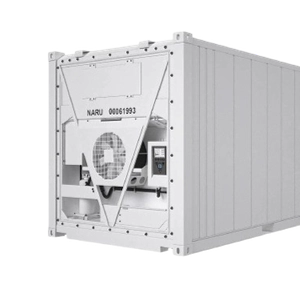
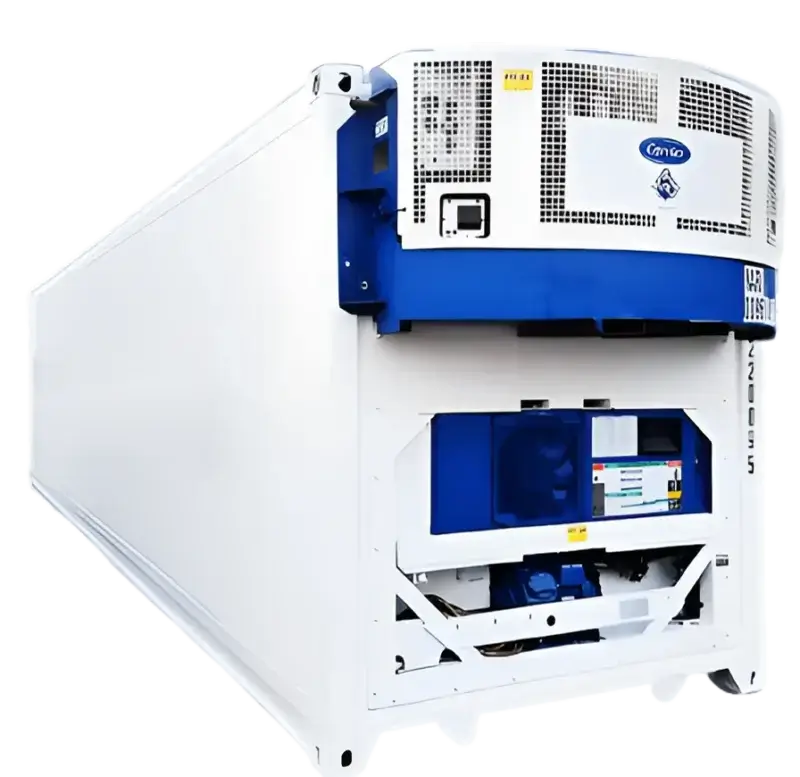
40ft Standard Reefer (40' RF)
External (L x W x H)
40’/8’/8’6
12.19 m/2.44 m/2.59 m
 Flexible Payment Plans
  Trusted Partner Since 2017
  Fast Delivery: 2-5 Business Days
  4.8/5 Stars on Google Reviews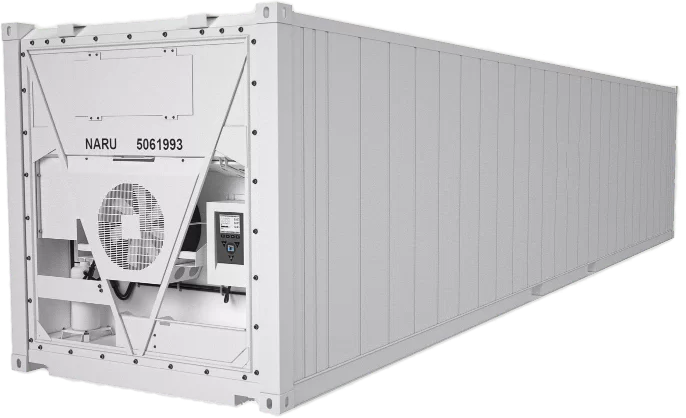
 Flexible Payment Plans
  Fast Delivery: 2-5 Business Days
  Trusted Partner Since 2017




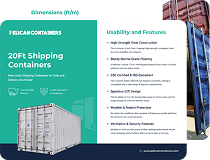
What is a 40-foot standard reefer container?
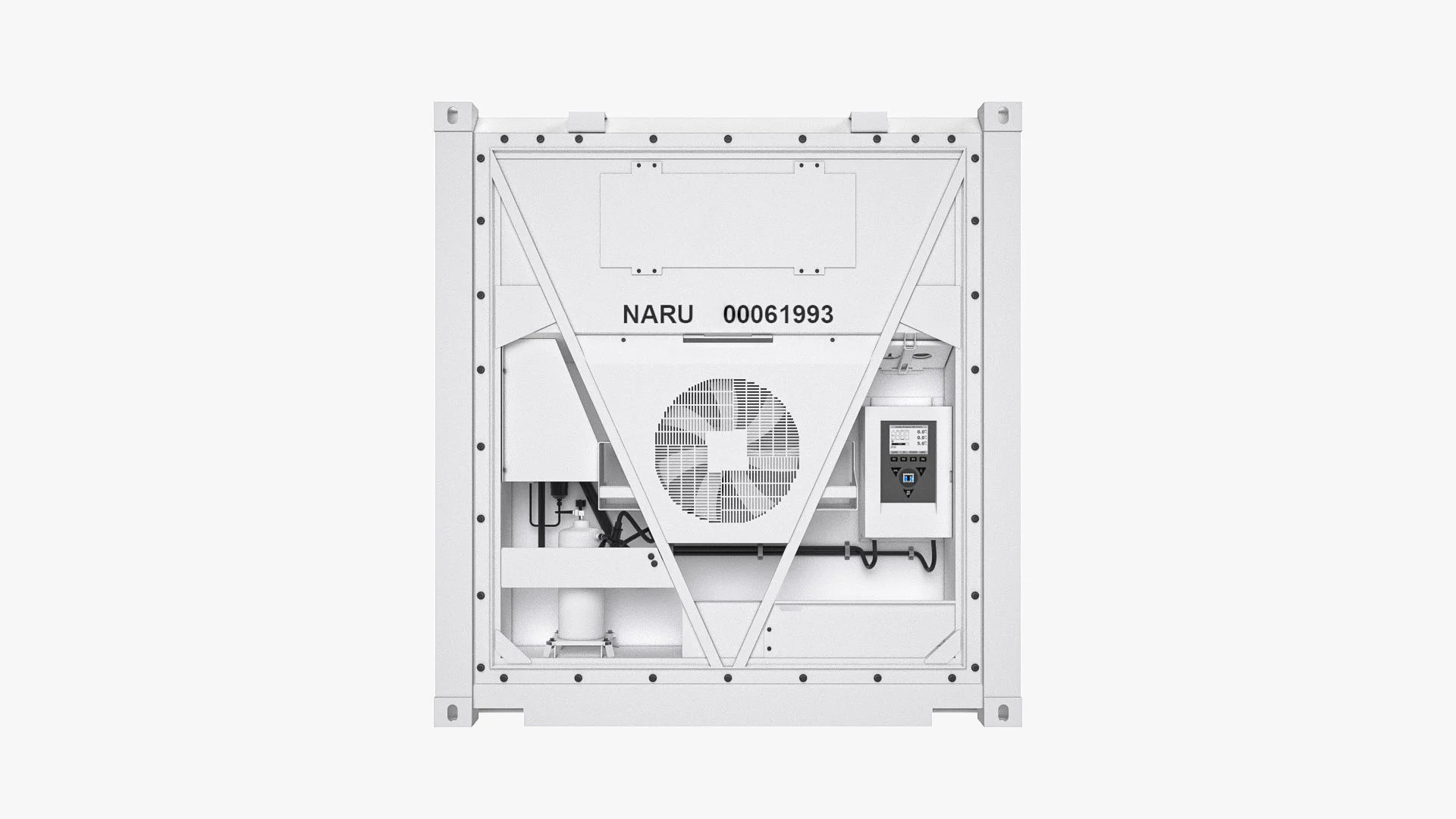
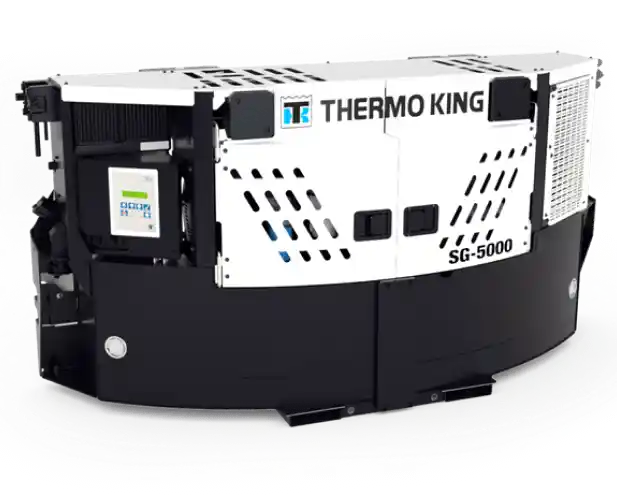
A 40ft reefer shipping container is a temperature-controlled container designed to transport and store perishable goods or sensitive cargo. It comes with an integrated refrigeration system that maintains a consistent internal climate, regardless of external factors and weather conditions.
Reefer containers are widely used for food and vegetable storage, pharmaceuticals, chemicals, and temperature-sensitive equipment. The 40ft version provides more internal height, allowing better airflow and more efficient loading space. If you’re looking for a smaller version, check out 20ft reefer containers.
Built with a durable steel exterior and insulated interior, reefer containers ensure reliable performance across long-distance transport and on-site cold storage applications.
Request a quote from Pelican Containers for the best pricing on a 40ft reefer container for sale, with fast nationwide delivery.

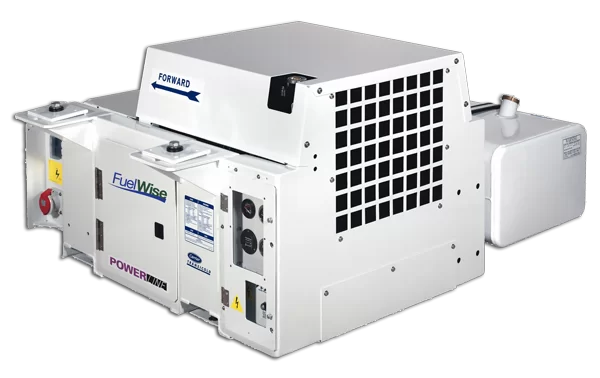
Our 40ft RF containers are delivered across the United States, supporting cold storage operations for food, pharmaceuticals, and temperature-sensitive goods. A reliable power source is required on-site to operate the refrigeration unit. Read our shipping container delivery guidelines for more information on site preparation.
Popular delivery areas include Los Angeles, Houston, Miami, and Newark.
Find your preferred location across 159 ports and depots in the US. →
Learn more about our delivery process.
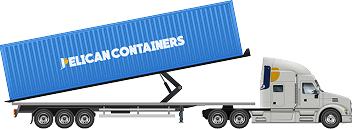 Best for Level Ground
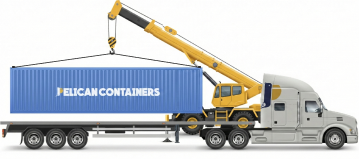 Multiple units
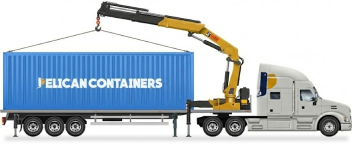 For tight spaces
Purchase your 40ft reefer container with one-time payment, rent-to-own, or container financing, making it easier to invest in temperature-controlled storage without high upfront costs. Options are available for businesses, government buyers, and cold chain operations.
Read more about our payment options.

When you buy reefer containers from Pelican Containers, you get:
New Refrigerated containers (One-Trip)
Used / Refurbished Refrigerated containers
Each unit available for sale is inspected before delivery to ensure proper cooling performance, door sealing, and structural integrity.
The warranty does not cover normal cosmetic wear (such as dents, scratches, or surface rust), damage caused by misuse or improper handling, or unauthorized modifications. Read more about our guarantee and our warranty terms.
Key features of a 40ft reefer container include a robust Corten steel exterior, a stainless steel interior, advanced digital refrigeration units (e.g., Daikin, Carrier) that maintain temperatures between –30°C and +30°C (–22°F to +86°F), and an aluminum T-floor for airflow.
The primary difference between a 40ft reefer and a 40ft High Cube reefer container is height and capacity: a 40ft HC reefer is 1 foot (approx. 30cm) taller, providing higher internal volume (approximetly 10% more).
You can fit approximately 20 to 21 American pallets (40" x 48") and 23 to 25 Euro pallets (47.2" x 31.5") inside a 40ft reefer container.
The ISO code for a 40ft reefer container is 42R1, representing a 40ft-long, 8' 6" high refrigerated unit.
It uses a built-in refrigeration system connected to an external power source to circulate heated or cold air and maintain a stable internal temperature.
The price of a new (one-trip) 40ft reefer usually ranges from $8,000 to $13,500, while a used (Cargo-worthy) container costs $4,500 to $7,500.
A few 40ft reefer containers cost between $8,000 – $13,500 depending on location and container availability.



 Free financing consultation
  Custom quotes for your specific needs
  Expert guidance on container selection
  Fast-track approval process