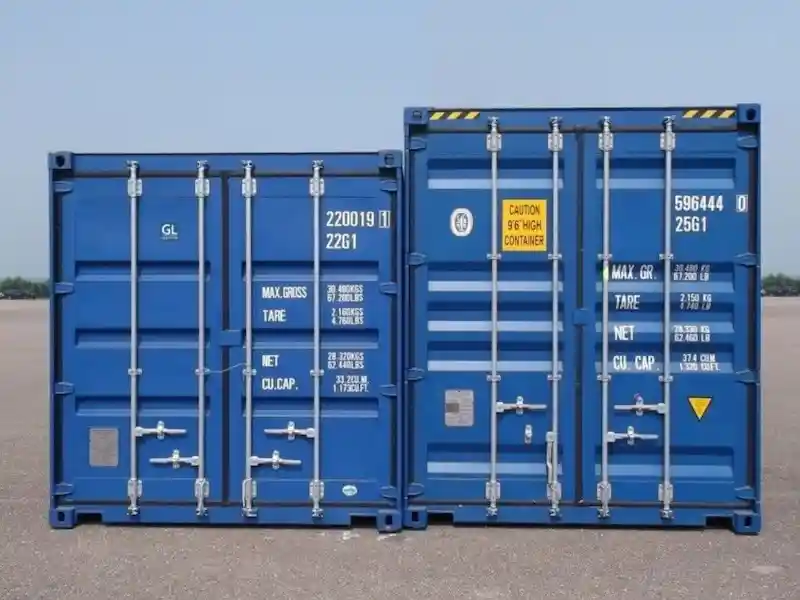
How Much Does A 20ft Shipping Container Weigh Empty & Loaded

🎧 Listen while you read – learn how much a 20ft container weighs when empty and loaded.
Shipping a 20ft container isn’t as simple as loading it up and sending it on its way. Did you know that even an empty container has a significant weight that impacts shipping plans? If you understand the true container weight well, it will save you from costly surprises and stressful shipments.
Empty Weight of a 20ft Shipping Container
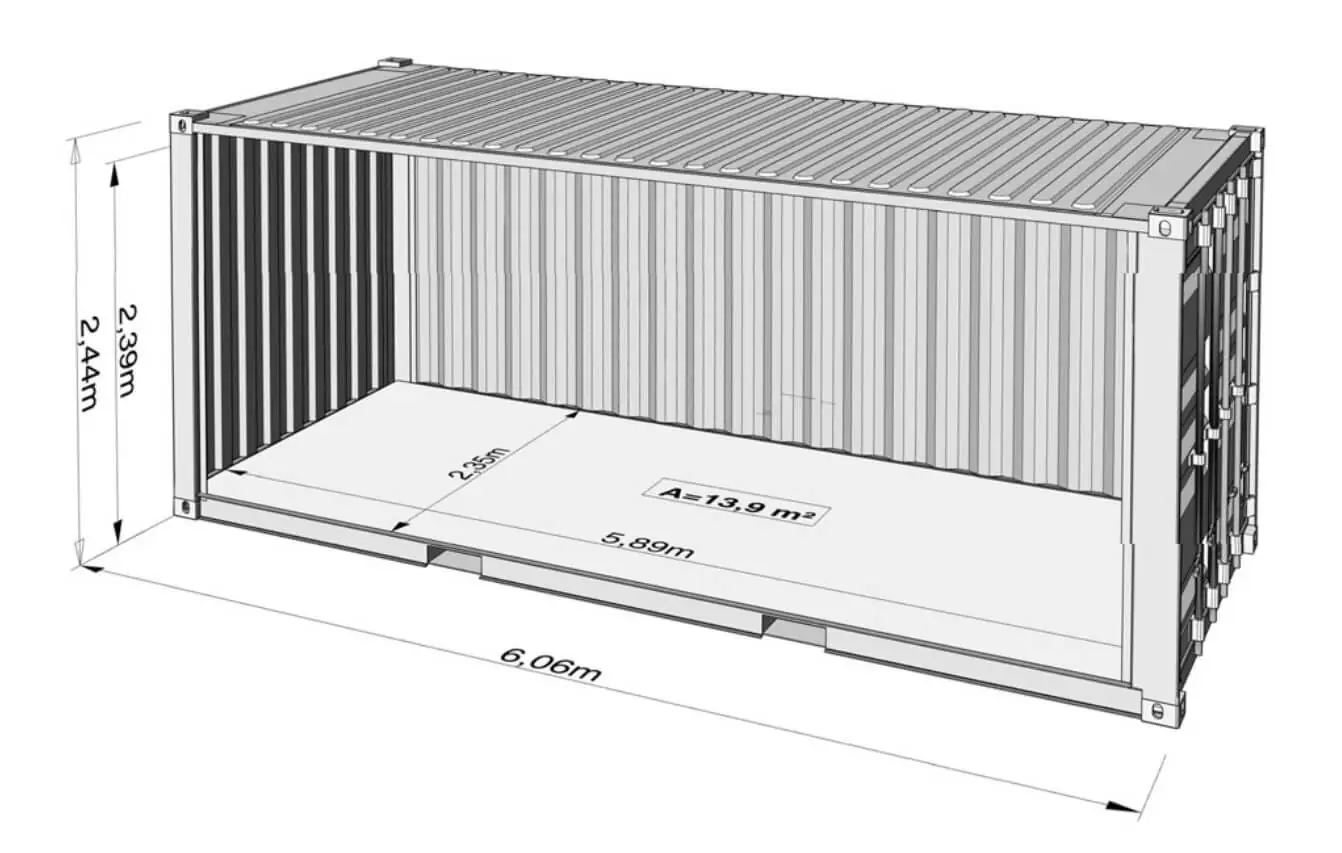
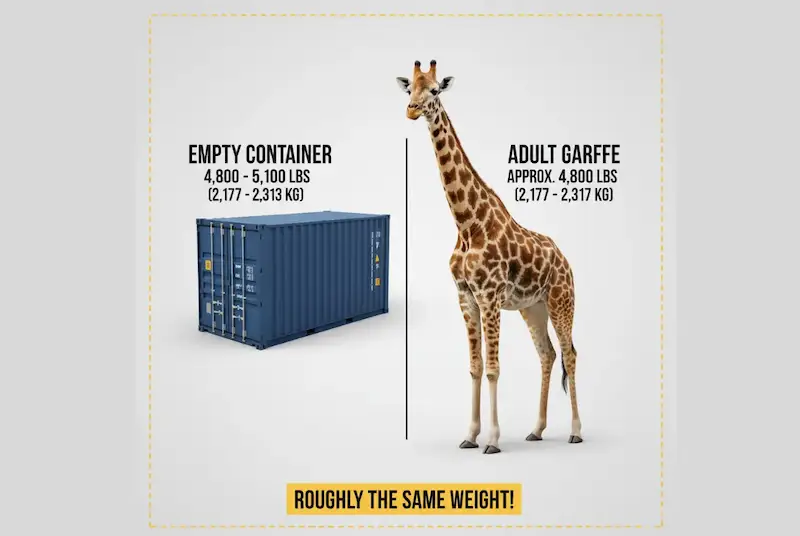
A 20ft shipping container, when empty, weighs between 4,800 and 5,100 pounds (2,177 – 2,313 kg) — that’s roughly the same as an adult giraffe. This weight comes from its steel structure, featuring corrugated walls, reinforced corners, and solid flooring, all built to handle some of the toughest shipping conditions on the planet.
Considering this base weight is more than just a curiosity for shipping and logistics, it helps calculate how much cargo can be transported without exceeding weight limits. Even in construction, where these containers are often transformed into tiny homes or storage units, understanding this weight helps plan for and optimize crane lifts, foundations, and overall project stability.
Standard Tare Weight and Variations Based on Container Type
Each type of 20ft shipping container has its tare weight (the weight of the container when it’s empty). Since materials vary, the weight varies:
| Type of container | Weight Range (Imperial) | Weight Range (Metric) | What makes it unique |
| Standard steel | 4,800–5,100 lbs | 2,177–2,313 kg | Durable, general-purpose, widely used |
| Lightweight aluminium | 4,000–4,500 lbs | 1,814–2,041 kg | Lighter, ideal for weight-sensitive cargo |
| Refrigerated (reefer) | 6,000–7,000 lbs | 2,721–3,175 kg | Includes refrigeration units for perishable goods |
| Insulated container | 5,500–6,000 lbs | 2,495–2,721 kg | Insulated walls for temperature-sensitive items |
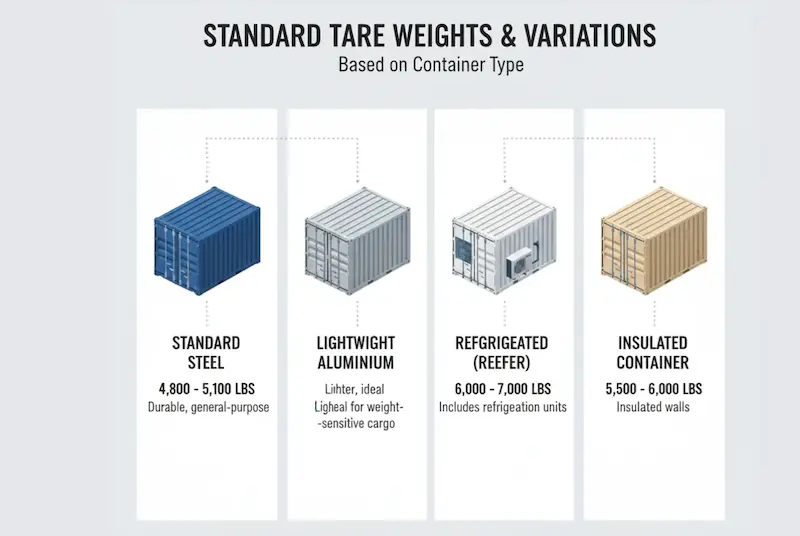
As you can see, a container’s tare weight is a reflection of its design, material, and features. These variations will help you make precise shipping calculations and choose the right container for the job.
Loaded Weight of a 20ft Shipping Container
When you think about a 20ft shipping container, you probably picture it stacked on a cargo ship or sitting on the back of a truck. But it might surprise you just how much weight these containers can actually carry.
Maximum Gross Weight Limits
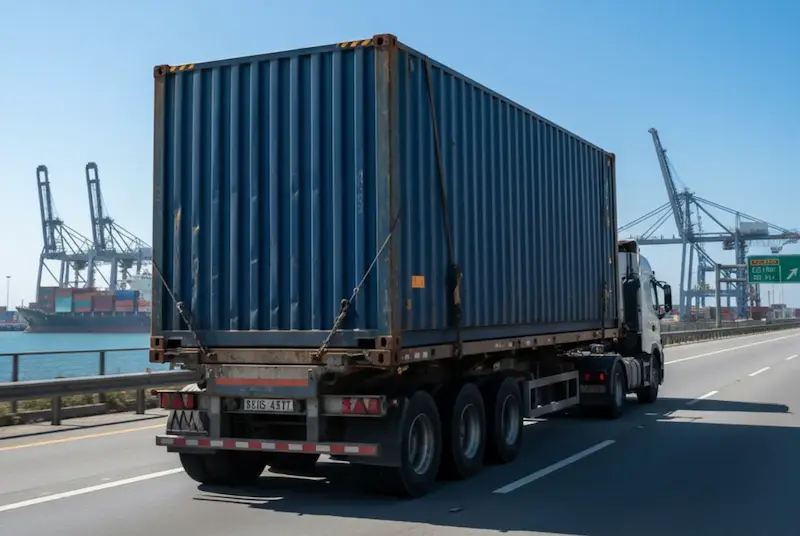
A standard 20-foot shipping container can handle a maximum gross weight of about 67,200 pounds (30,480 kg). This figure includes the container’s tare weight plus whatever cargo you’re packing inside. Essentially, it’s the “do not exceed” limit that manufacturers and transportation professionals swear by.
Such a specific limit boils down to engineering. The container, along with the intermodal chassis used to move it, has been designed to carry this load without jeopardizing safety or performance.
Exceeding this weight isn’t just risky for the equipment and shipping infrastructure; it can also put people at risk. For instance, an overloaded or overweight shipping container may strain cranes during loading or impact a truck’s braking ability on the highway. You must stay within this limit to ensure your shipment travels safely.
Weight Distribution and Safety Considerations
There’s more to container safety than just staying within the total weight limit. Weight distribution is equally critical. If you put all the heavy items on one side of the container while the other remains light, the imbalance will cause wobbling during transit, or worse, tipping over when being lifted.
Always aim for an even spread and plan your packing strategy so the weight is distributed consistently from front to back and side to side. Secure the load with cargo straps, braces, and other tools to lock items in place, preventing them from sliding or shifting during movement. (See our guide on how to stay safe while handling containers for more tips).
Regulations and Weight Restrictions
Weight regulations ensure that items aren’t delayed, fined, or damaged while they’re on their way. If you’re going to be dealing with a 20ft container, you need to know these restrictions based on your region:
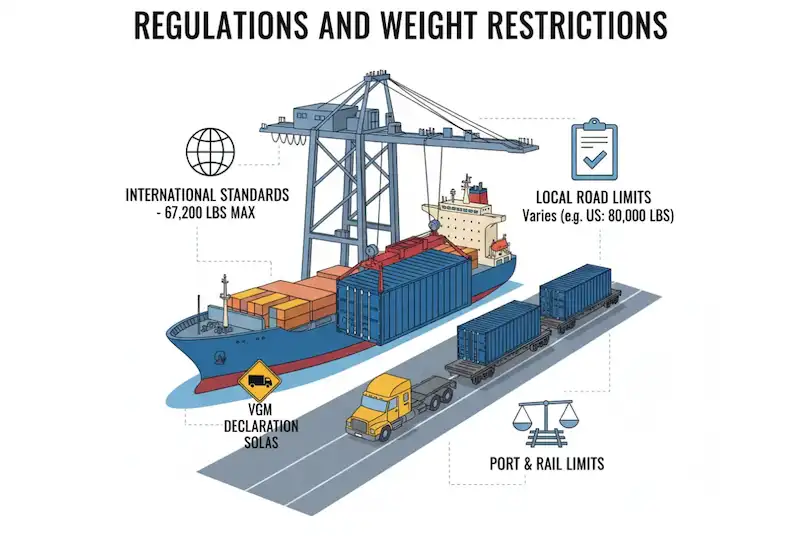
- International Standards (ISO): A fully loaded 20-foot container may weigh up to 67,200 lbs (30,480 kg) according to international standards. This includes the container’s empty weight and all the cargo inside. These limits are regulated by the International Maritime Organization (IMO). Failure to comply will lead to denied entry at ports or the container being offloaded mid-shipment.
- USA Road Limits: Federal law dictates that the maximum gross weight for a truck, cargo, and container combined is 80,000 lbs (36,287 kg). You may need a “tri-axle” chassis to legally carry heavy 20ft containers in the US.
- European/Global Road Limits: In the European Union, weight laws vary by country, but typically trucks are limited to around 40 to 44 metric tons (88,184 to 97,000 lbs) in total weight.
- Verified Gross Mass (VGM): Introduced as part of the IMO’s SOLAS convention, the VGM rule requires shippers to submit the container’s verified weight before it’s loaded onto a ship.
How to Accurately Calculate Container Weight
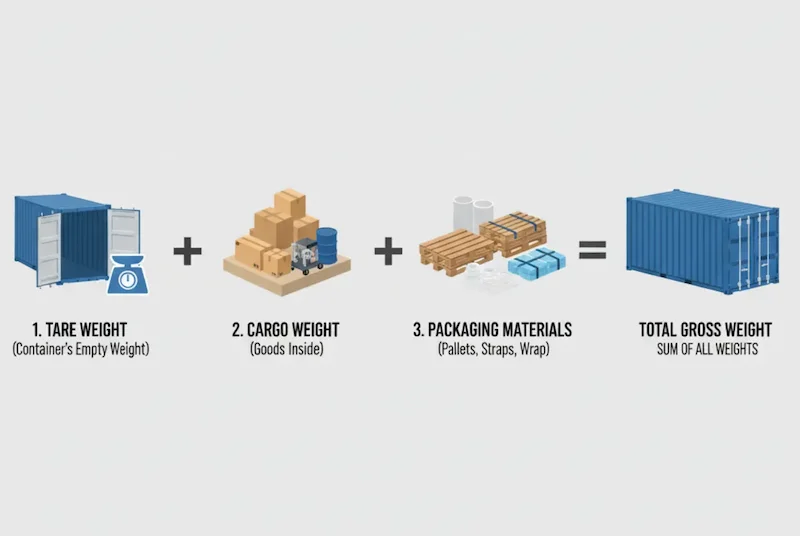
Here’s how to crack the code on container weight calculations:
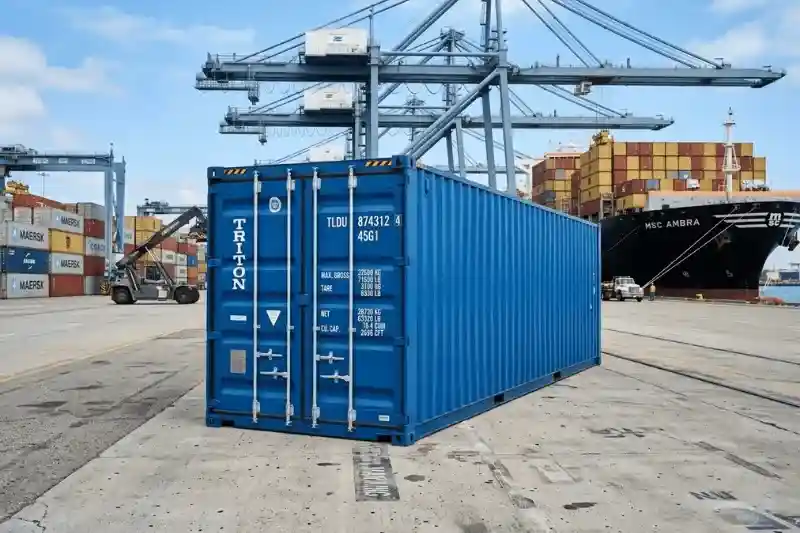
- Find the Tare Weight: Look for the container labels and number markings on the door. Note this number (e.g., 2,200 kg / 4,850 lbs).
- Weigh the Cargo: Calculate the weight of the goods you are packing.
- Add Packaging: Don’t forget securing materials—wooden pallets, straps, braces, and bubble wrap all add up.
- Sum It Up: Add these three figures together to get the Gross Mass.
One mistake can lead to a weight discrepancy that throws off your entire shipping plan. Use certified scales and, if needed, a second set of eyes to review the numbers.
Tips for Optimizing Cargo Weight Within Limits
To maximize how much you can ship while staying within weight restrictions:
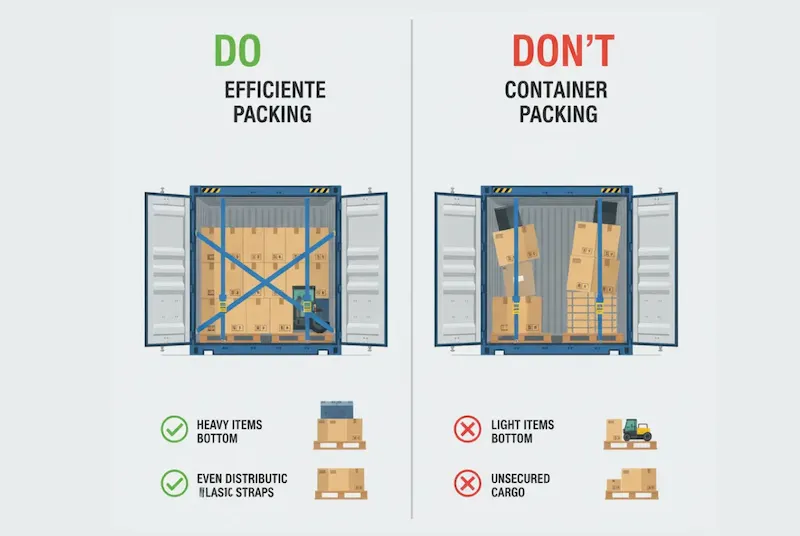
- Pack Tightly: Use every inch of the shipping container by packing items tightly without wasting space.
- Load Low: Place heavier items on the bottom floor for stability.
- Swap Pallets: Swap heavy wooden pallets for lightweight alternatives like plastic or aluminum.
- Check the Balance: Keep the load evenly distributed. An off-balance load will affect transport safety and may result in penalties.
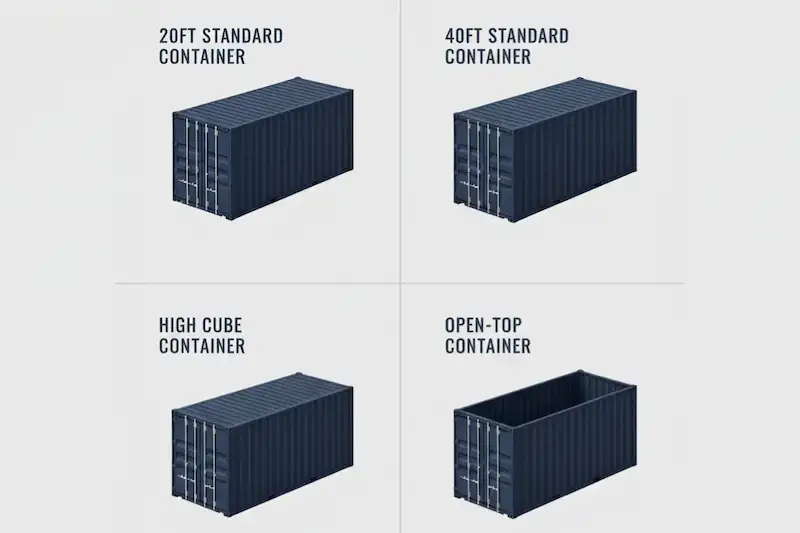
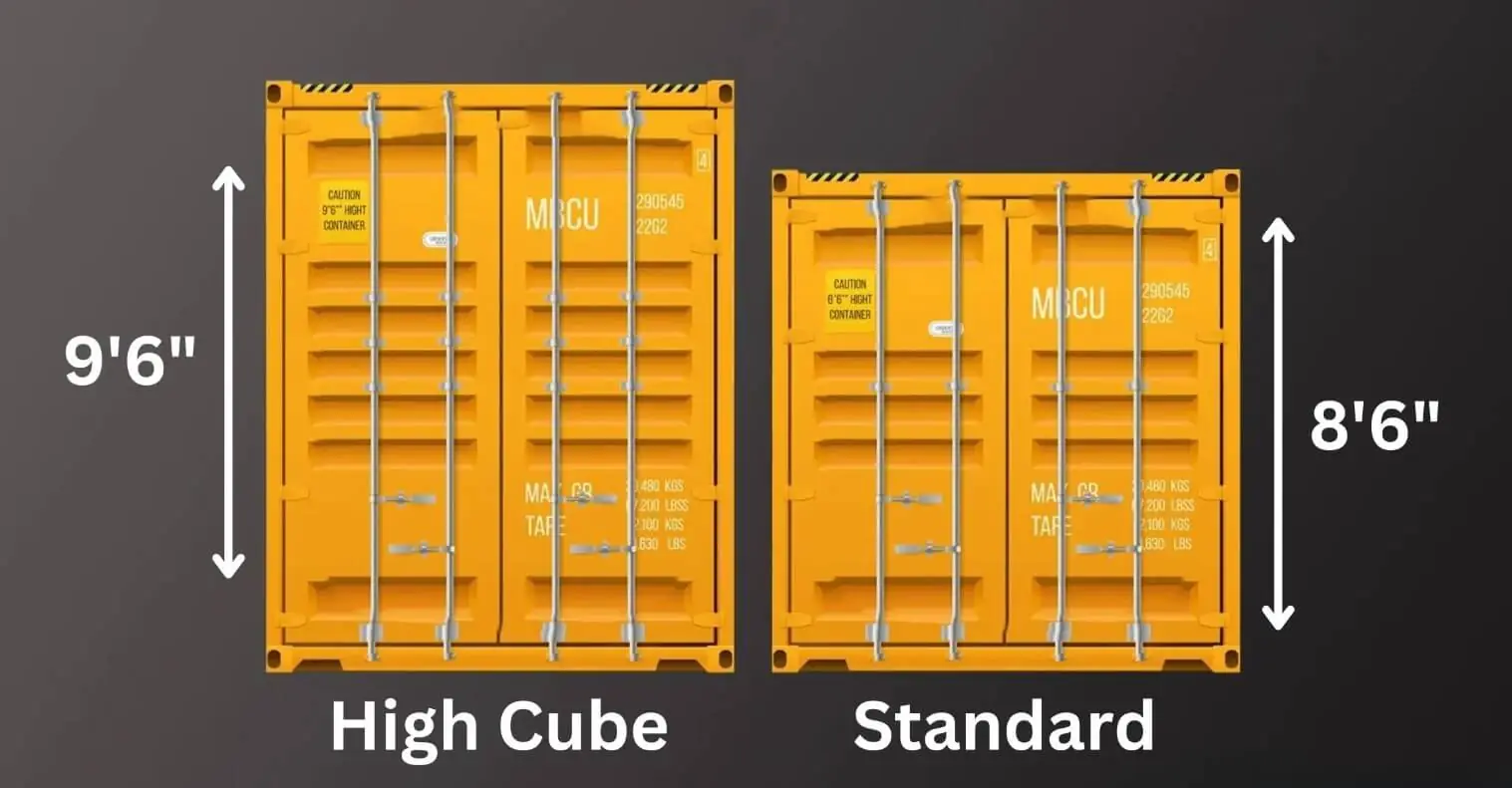
If your cargo is close to the max allowed weight, consider splitting it across two containers or upgrading to a High Cube container if volume is the issue.
Conclusions
Considering the weight and capacity of a 20ft container, both empty and loaded, isn’t just a nice-to-know detail — it’s a shipping essential that ensures compliance with regulations and protects your cargo. Once you’ve got the hang of calculating tare, cargo, and gross weight in both lbs and kg, it becomes a habit like any other. Double-check those figures and don’t hesitate to split cargo if needed.
Vanessa is a dedicated writer and content enthusiast at Pelican Containers. With a background in practical writing and a keen eye for clarity, she transforms complex container topics into easy-to-understand and useful content. Her passion lies in exploring the evolving world of container usage — from smart storage hacks to global logistics trends.
When she's not writing, Vanessa loves discovering creative shipping container projects or traveling to find new inspiration.
Explore thoughtful, informative, and accessible content with Vanessa!
Vanessa is a dedicated writer and content enthusiast at Pelican Containers. With a background in practical writing and a keen eye for clarity, she transforms complex container topics into easy-to-understand and useful content. Her passion lies in exploring the evolving world of container usage — from smart storage hacks to global logistics trends.
When she's not writing, Vanessa loves discovering creative shipping container projects or traveling to find new inspiration.
Explore thoughtful, informative, and accessible content with Vanessa!
FAQ
What is the typical empty weight of a 20ft shipping container?
The empty weight (tare weight) of a standard 20ft shipping container is typically around 4,800 lbs (2,177 kg). This number depends on the container’s design or material, but it gives you a solid starting point for your calculations.
How much weight can a 20ft shipping container carry when fully loaded?
A 20ft container usually carries up to 55,000 lbs (approx. 25,000 kg) of cargo payload, assuming the container itself weighs about 5,000 lbs. However, this depends on the container’s condition, the freight carrier’s guidelines, and local road transport limits.
What is the maximum gross weight allowed for a 20ft shipping container?
The maximum gross weight (MGW), which includes the container’s tare weight plus the cargo, is typically capped at 67,200 lbs (30,480 kg). Exceeding this limit will lead to penalties, safety risks, or rejected shipments at the port.
Why is it important to consider weight distribution inside the container?
If the load isn’t even, the container may tip during lifting, shift while it’s being moved, or damage the chassis. Always optimize the weight by placing the heaviest items on the bottom and centered in the middle of the container.