How Much Does a Used Shipping Container Cost?

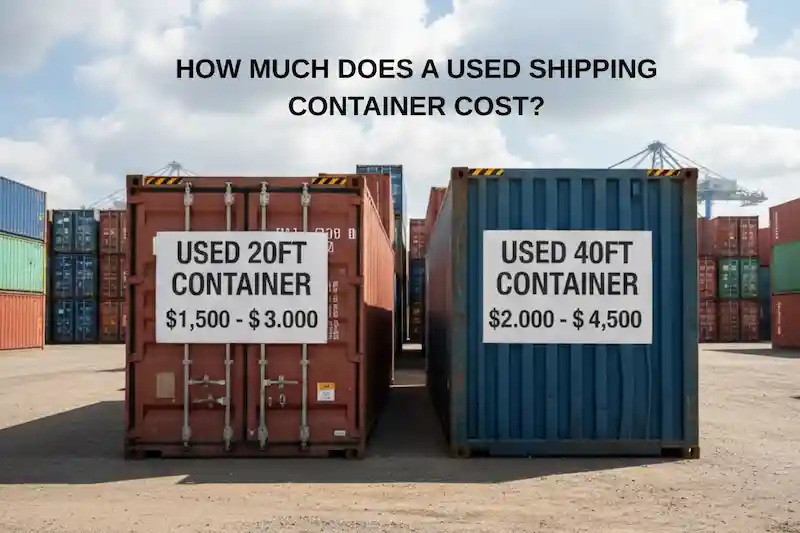
Used shipping containers generally cost between $1,500 to $4,500. The price ranges between $1,500 – $3,000 for 20ft containers and from $2,000 to $4,500 for 40ft used containers. The cost of a used shipping container can vary significantly by condition, location, and the size of the container.
If you’re looking to buy a used shipping container in the US, Pelican Containers offers a range of new and used shipping containers at prices that fit your budget. Each container is inspected, clearly graded, and priced based on real market conditions.
You see upfront prices, understand delivery costs early, and work with our expert team that helps you choose the right size and condition.
Request a quote from our team, or browse through our product catalog to find the right container for you.
Key takeaways:
|
What is the Average Cost of a Used Shipping Container in the USA?
The average shipping container price in the USA typically ranges from $1,500 to $4,000, with 20-foot containers often costing between $1,500-$3,000 and 40-foot containers from $2,000-$4,500. The prices change significantly by condition, location, size (high cube vs. standard), market demand, and delivery costs, with “one-trip” (like-new) units costing more.
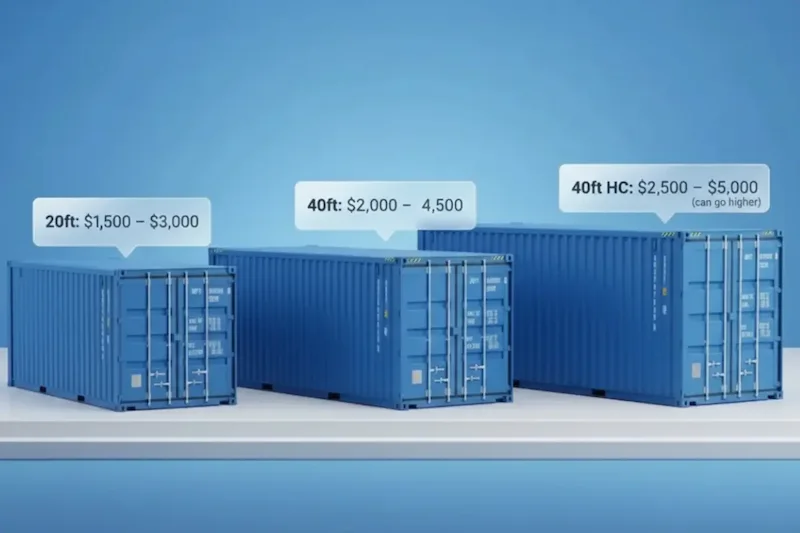
Average used shipping container cost:
- 20ft Container: $1,500 – $3,000
- 40ft Container Standard: $2,000 – $4,500
- 40ft High Cube: $2,500 – $5,000 (can go higher)
Let’s understand this in more detail below, how the container size affects container pricing.
Used Shipping Container Prices by Size
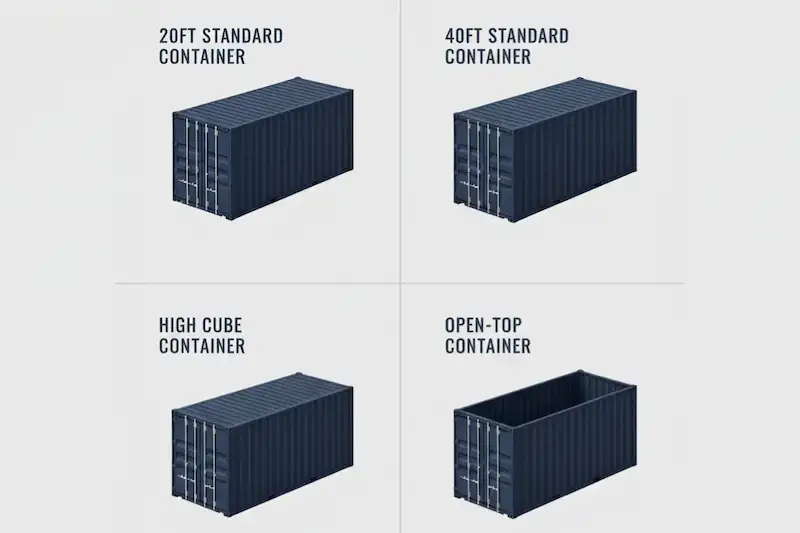
Container size is one of the biggest drivers of price. Larger containers (40ft or 40ft HC) require more steel to build, take up more space on trucks, and are more expensive to transport. But they also provide more space than smaller containers like 20ft, and hence are more expensive.
Here’s a quick breakdown of used shipping container prices in common locations in the US, before we discuss individual pricing in detail.
| US City Regional Pricing (Feb 2026) | 20ft Used Price | 40ft Used Price | 40ft HC Used Price |
| Houston, TX | $1,365 | $1,899 | $1,925 |
| Dallas, TX | $1,777 | $2,221 | $2,287 |
| Chicago, IL | $1,265 | $1,714 | $1,801 |
| Denver, CO | $2,505 | $2,811 | $3,101 |
| Phoenix, AZ | $2,289 | $2,905 | $3,067 |
| Newark, NJ | $1,485 | $1,688 | $1,808 |
| Savannah, GA | $1,362 | $1,751 | $1,819 |
What is the Cost of a used 20ft Shipping Container?
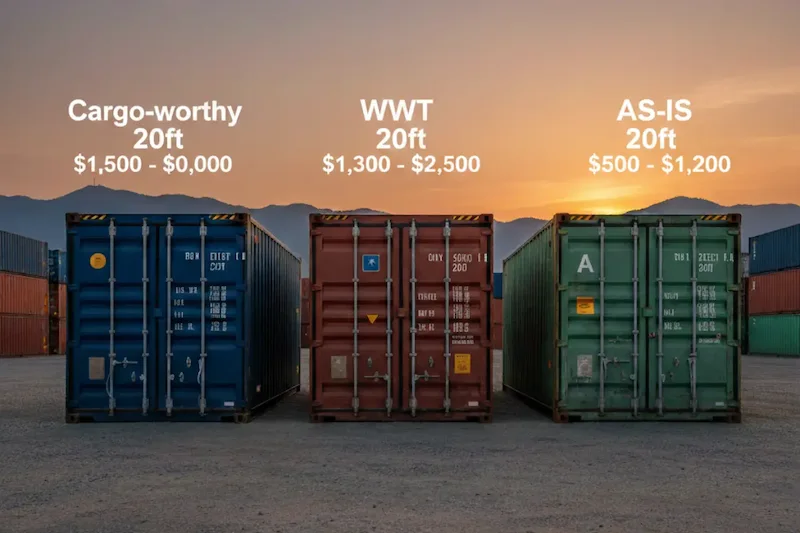
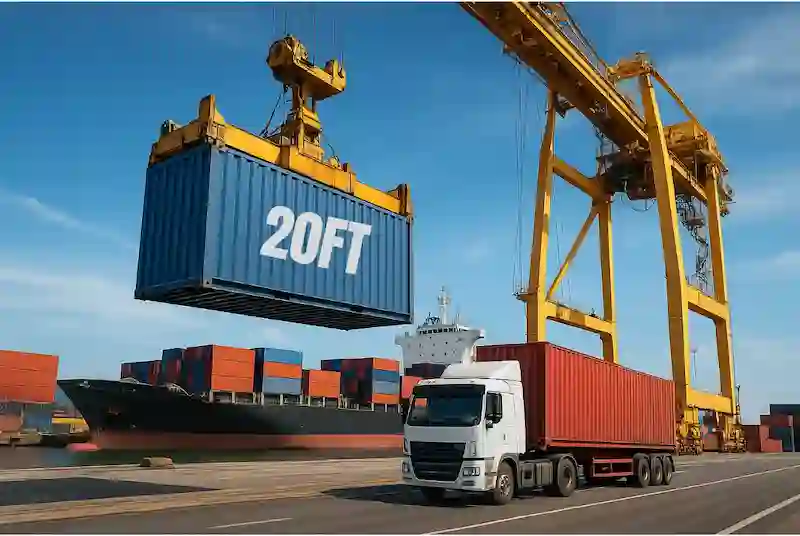
A used 20ft shipping container generally costs between $1,500 to $3,000 USD. 20ft containers are popular for shipping heavy goods, residential and small business storage, and construction sites.
These containers are easier to place in tight areas and often cost less to deliver, which keeps the overall spend lower.
- Cargo-worthy 20ft used shipping container price: $1,500 – $3,000
- WWT 20ft used shipping container price: $1,300 – $2,500
- As-is 20ft used shipping container cost: $500 – $1,200
What is the Cost of a Used 40ft Shipping Container?
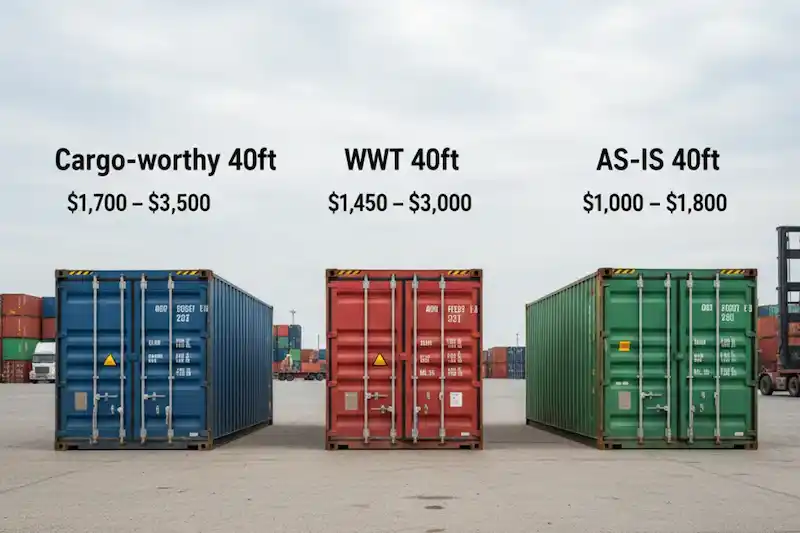
A used 40ft shipping container price in the USA is between $1,700 and $4,500.
- Cargo-worthy 40ft used shipping container price: $1,700 – $3,500
- WWT 40ft used shipping container price: $1,450 – $3,000
- As-is 40ft used shipping container cost: $1,000 – $1,800
Since 40ft containers offer double the space of 20ft containers, they naturally cost more. Buyers often choose 40ft containers when they need more interior space for equipment, inventory, or bulk storage. It’s also a popular size for shipping cargo.
| Did you know: Even though 40ft containers offer double the space of 20ft containers, they only cost about 30% more than 20ft containers. If you’re looking for more container space, buying one 40ft container makes more economic sense than buying two 20ft containers.
Request a quote for a 40ft used shipping container for sale today. |
What is the Cost of a Used High-Cube Container?
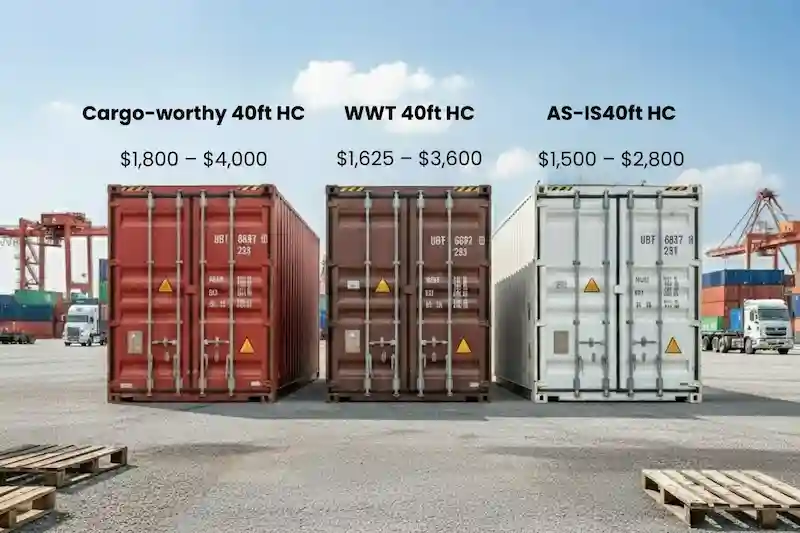
A used 40-foot high-cube shipping container in the US generally costs between $2,500 to $5,000.
- Cargo-worthy 40ft used high cube container cost: $1,800 – $4,000
- WWT 40ft used high cube container cost: $1,625 – $3,600
- As-is 40ft HC used shipping container price: $1,500 – $2,800
High cubes cost more because of the extra one foot of interior height, which increases usable space without increasing the container’s footprint.
It’s worth investing in a high cube container when you need vertical clearance for palletized goods, tall equipment, racking systems, or easier movement inside the container. Many buyers choose high cubes for warehouses, construction storage, and long-term inventory because the added height improves loading efficiency and reduces the need for multiple containers.
What Factors Affect the Cost of a Used Shipping Container?
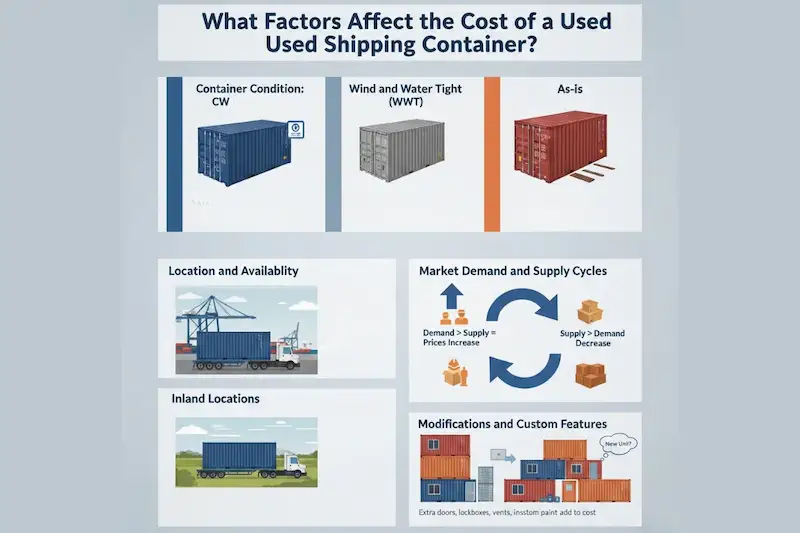
The cost of a used shipping container depends on its size, condition (grade), age, location, and market demand, with factors like customization (windows, insulation) and transportation distance adding to the price.
Let’s understand this in more detail below.
Container Condition: CW, WWT, As-Is
Container condition has a direct impact on used shipping container cost, the lifespan, and how the container can be used. Used containers come in these three common condition categories:
- Cargo-worthy (CW): These containers are certified for international shipping. They are structurally sound, have solid floors, functional doors, and meet CSC safety standards. CW containers cost more because they can be used for transport or long-term storage with minimal work.
- Wind and Water Tight (WWT): WWT containers are generally not certified for overseas shipping but are sealed against wind and water. Doors close properly, and there are no active leaks. As a result, they are a popular choice for commercial and residential storage and cost less than cargo-worthy containers.
- As-is: They are the cheapest used containers available in the market. They may have visible rust, dents, or floor wear. They are cheaper upfront but may require repairs or modifications. As-is containers work best for buyers who plan to refurbish, modify, or use them for non-critical storage.
Location and Availability
Container location plays a major role in pricing because it directly affects transportation and handling.
- Containers stored near major ports or coastal depots are usually cheaper since they don’t need long overland trucking to reach buyers. These locations often have higher container turnover, which keeps supply steady and prices more competitive.
- Inland locations, on the other hand, require longer truck routes, additional fuel, and more driver time, all of which raise the final cost. This is why a shipping container in Florida, a port-heavy state, may cost less than a shipping container in Texas, an inland region.
Market Demand and Supply Cycles
Used shipping container prices shift with demand, especially when construction and storage needs increase at the same time.
During busy construction seasons, contractors often buy containers for on-site storage of tools, materials, and equipment. This surge in demand can quickly reduce available inventory at local depots, which pushes prices up.
Storage demand works the same way. When businesses need extra space for inventory, overflow goods, or temporary warehousing, they turn to shipping containers, increasing competition for available units.
Naturally, as demand increases more than the supply, the used shipping container prices increase. But when supply is more than the demand, container prices decrease.
Modifications and Custom Features
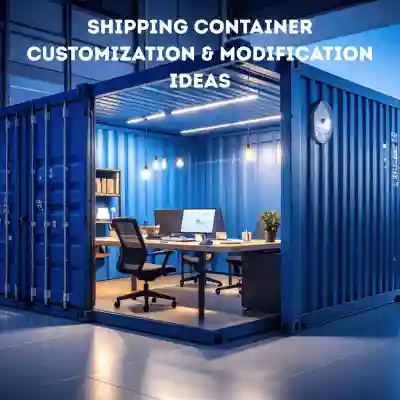
Adding any kind of modification to the container can increase the used shipping container cost. Add-ons such as extra doors, lockboxes, vents, insulation, or custom paint increase the total cost. These upgrades can be useful, but they should be planned into the budget from the start.
When you are deciding to buy a shipping container, you should also consider whether a new unit would make more sense. Read on to know more.
Used vs New Shipping Container Cost
Used and new (one trip) shipping containers serve different needs, and the price gap between them is often significant. Understanding this difference can help you choose the right option.
- Used shipping containers: These are typically 30–50% cheaper than new containers. They show cosmetic wear, such as dents or surface rust, but remain structurally sound. Used containers are ideal for budget-focused projects like storage, workshops, basic offices, or job sites where appearance is not critical.
- New (one-trip) shipping containers: These containers have made only one cargo trip and arrive in near-pristine condition. They meet full ISO certification standards. You may invest in new containers if you need a container for shipping for 10-15 years, or need them for projects with strict appearance or compliance needs.
New container prices vary by size and location, but typical US ranges include:
- New 20ft shipping container: $3,500–$5,000
- New 40ft shipping container: $5,500–$7,500
- New 40ft high cube container: $6,000–$8,500
Apart from the actual container price, the delivery costs also affect the total cost of the container. Explore more below.
How does Shipping Container Delivery Costs Affect Container Prices?
Shipping container delivery costs vary widely based on distance, transportation mode (road, rail, or sea), container size (20ft or 40ft), and container type. Shipping container delivery cost is an added, separate expense that many buyers may miss.
Local container delivery can range from a few hundred dollars to over a thousand, while long-distance or specialized deliveries cost more. International freight, when required, can range from several thousand dollars depending on route, fuel rates, and port fees.
Local shipping container delivery cost
Short-distance delivery near a depot is usually the most affordable option and often costs between $300 and $800 for a 20ft container and $500 to $1,200 for a 40ft container. Flat, open sites with good access help keep delivery pricing at the lower end of these ranges.
Long-Distance and Crane Delivery
Long-haul trucking increases costs, especially for 40ft containers. In most cases, long-distance delivery ranges from $1,200 to $2,500 for a 20ft container and $1,800 to $3,500 for a 40ft container, depending on mileage and route.
If a crane or specialized equipment is required for placement, you can expect an additional $500 to $1,500 or more, based on lift height, site conditions, and local equipment rates.
Examples of Total Container Costs [Container + Delivery]
Here are a few examples of different container types with delivery options to give you an idea of the actual container costs.
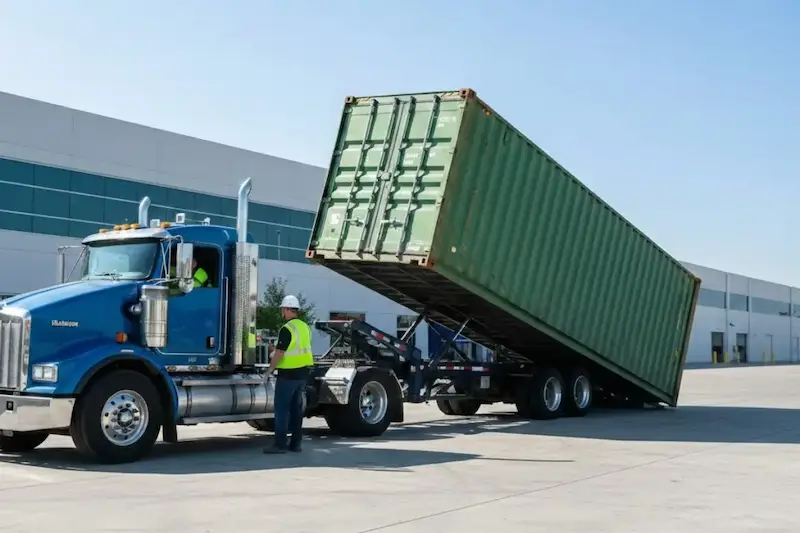
- 20ft used container (local delivery): A container priced around $2,000 typically ends up between $2,400 and $2,700 after local delivery fees. This assumes easy site access and no special equipment.
- 40ft used container (longer delivery): A container priced near $3,200 can reach $4,000 or more if longer-distance trucking is added. Costs increase with mileage and limited delivery access.
- 40ft high cube container with crane placement: High cube containers already carry a higher base price. When crane service is required due to tight access, uneven ground, or obstacles, total costs often exceed $4,500, depending on lift requirements and local equipment rates.
Apart from the delivery, there are some other costs you should include in your container budget.
Additional Container Costs to Budget For When Buying a Shipping Container
When buying a shipping container, you should budget for delivery, site preparation (leveling, foundation), permits/zoning fees, potential modifications (windows, doors, insulation, electrical), and ongoing maintenance and upkeep.
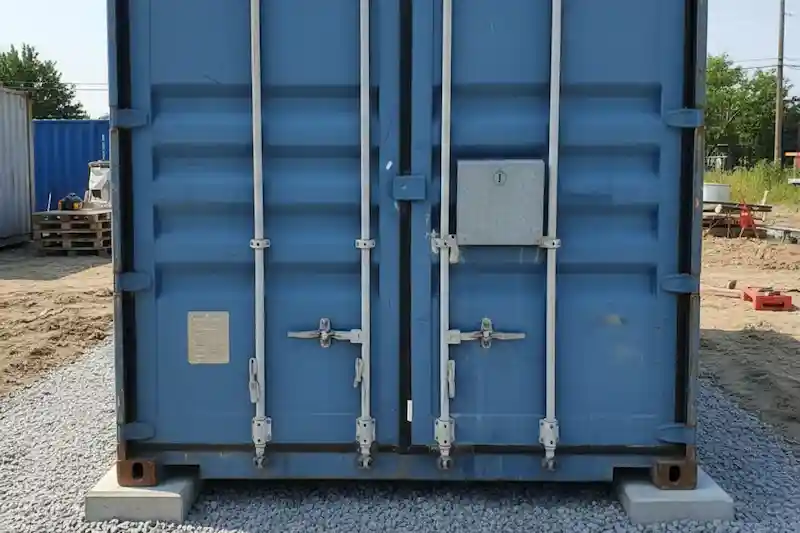
- Site leveling and ground prep: Many delivery sites are not level enough to place a container safely. Gravel pads or concrete footings may be required to support the container’s weight, which may increase the total container cost.
- Permits and zoning requirements: Some cities require permits for container placement, especially for long-term use or commercial projects. Permit fees and approval timelines can affect both cost and delivery schedules.
- Minor repairs or adjustments: Even solid used containers may need small fixes, such as door adjustments, floor patching, or rust treatment, depending on the condition grade and intended use.
- Security upgrades: Lockboxes, heavy-duty padlocks, and fencing are common additions for containers used on job sites or for long-term storage. These upgrades improve security but should be factored into the total budget from the start.
How to Get an Accurate Quote for a Used Shipping Container?
To get an accurate quote for a used shipping container, you need to clearly define your needs, research market prices, obtain detailed quotes from reputable suppliers, and factor in all associated costs, especially delivery. Here’s a checklist to keep handy when doing so.
| Checklist to Get an Accurate Quote for a Used Shipping Container | |
| Delivery ZIP code | This determines container availability, distance from the nearest depot, and delivery pricing. |
| Container size | Whether you need a 20ft, 40ft, or 40ft high cube container, based on your space and storage needs. |
| Container condition | Choose between Cargo Worthy (CW), Wind and Water Tight (WWT), or As-Is, depending on how you plan to use the container. |
| Delivery site access | Note gate width, driveway length, overhead obstacles, slopes, or soft ground that could affect delivery. |
| Placement requirements | Confirm whether standard tilt-bed delivery works or if crane placement is required. |
| Intended use | Storage, construction, office conversion, or modification plans help suppliers recommend the right container. |
| Timeline | Let the supplier know when you need delivery, especially during high-demand periods. |
Providing this information upfront allows suppliers like Pelican Containers to give clear, accurate quotes without delays or unexpected add-ons.
Why Purchase a Used Shipping Container from Pelican Containers
Pelican Containers is a leading supplier of shipping containers in the US, supporting buyers nationwide with clear guidance and reliable service at every step:
- Nationwide depot network: We have container depots across the USA, which helps with availability and keeps the delivery distances reasonable.
- Inspected and graded inventory: Every used container is inspected and clearly classified, so you know exactly what condition you’re getting before purchase.
- Transparent pricing: Container costs and delivery fees are explained upfront, with no hidden charges added later.
- Delivery coordination: We plan delivery based on site access, container size, and placement needs, reducing the risk of delays or extra fees.
- Customer support throughout the process: From quote to delivery, you get a dedicated point of contact to answer questions and confirm details.
If you’re ready to get accurate pricing of a used shipping container for sale, request a quote from Pelican Containers and receive a clear, no-obligation estimate tailored to your needs.
Vatsala Singh is a B2B content strategist and writer specializing in the shipping, logistics, and container industry. She has written extensively about container types, container modifications, procurement challenges, and the market shifts that influence container demand.
With a Master’s degree in English Literature and strong research skills, she brings depth, clarity, and accuracy to every article. Through her content, she combines industry knowledge with practical insight, helping readers understand what’s happening in global trade and how it affects container buyers, freight forwarders, and equipment managers.
When she’s not writing, Vatsala is usually reading fiction, exploring new ideas, or learning about how different industries work.
She believes that good content should simplify complexity, support smarter decisions, and make the container world easier to navigate, one article at a time.
Vatsala Singh is a B2B content strategist and writer specializing in the shipping, logistics, and container industry. She has written extensively about container types, container modifications, procurement challenges, and the market shifts that influence container demand.
With a Master’s degree in English Literature and strong research skills, she brings depth, clarity, and accuracy to every article. Through her content, she combines industry knowledge with practical insight, helping readers understand what’s happening in global trade and how it affects container buyers, freight forwarders, and equipment managers.
When she’s not writing, Vatsala is usually reading fiction, exploring new ideas, or learning about how different industries work.
She believes that good content should simplify complexity, support smarter decisions, and make the container world easier to navigate, one article at a time.
Frequently asked questions
Are used shipping containers worth buying?
Yes, used shipping containers are worth buying for their significant cost savings, sustainability, and versatility for storage or conversion projects. But you must inspect them carefully for rust, leaks, and structural damage to ensure they meet your needs, as their condition varies greatly.
How much does a second-hand container cost?
A second-hand shipping container costs roughly $1,500 to $3,000 USD for a standard 20ft or 40ft dry container. But prices vary significantly by size, condition (cargo-worthy vs. WWT), location, and specific features like high cube or reefer (refrigerated) models, which are much more expensive.
What is the lifespan of a 40-foot used shipping container?
A 40-foot used shipping container typically lasts another 10-20 years after its initial service life (around 10-15 years at sea). With proper maintenance, it can last potentially 25-30 years or more.
Where can I find used shipping containers for sale?
You can find used shipping containers through established suppliers like Pelican Containers that offer verified inventory, clear pricing, and nationwide delivery support.
Are used shipping containers waterproof?
Used shipping containers are generally water-resistant (watertight), designed to keep rain and wind out with Corten steel and strong rubber door seals. However, it also depends on the specific container condition.