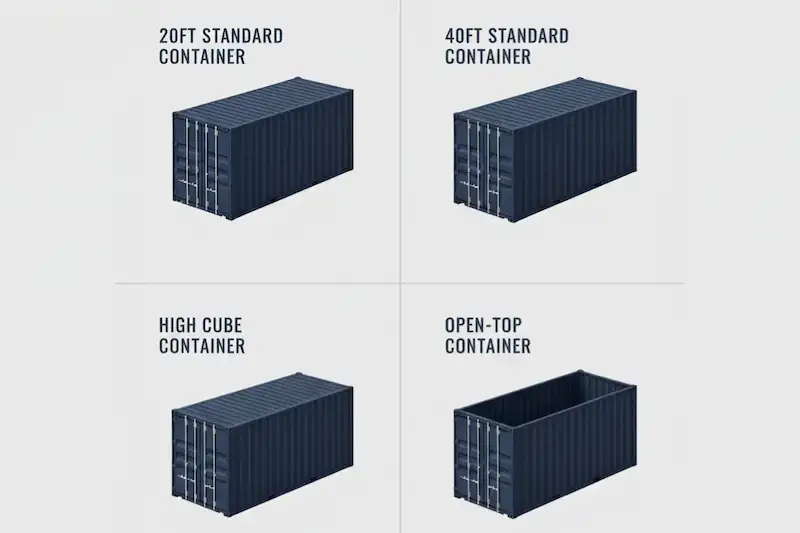
Standard vs. High Cube Shipping Containers: What Is the Difference?

When navigating the world of logistics or container modification, the primary decision often boils down to a single foot of steel. While shipping containers come in various shapes and sizes, the most critical distinction for buyers is often between the Standard Shipping Container and the High Cube.
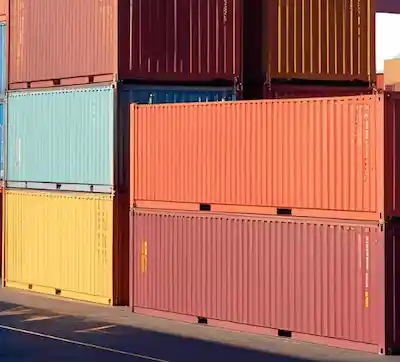
To the untrained eye, they look identical. However, that subtle difference in height dictates everything from storage volume and shipping costs to whether or not you can effectively insulate a container home.
Here is the definitive breakdown of how Standard and High Cube containers differ and which one fits your project.
The Tale of the Tape: Dimensions Compared
The defining feature of a High Cube container is that it offers an additional foot (30 cm) of vertical space compared to a standard unit.
- Standard Height: 8 feet 6 inches (2.59 m)
- High Cube Height: 9 feet 6 inches (2.90 m)
This difference applies to the exterior height. Because the floor structure is identical, you gain that entire foot of space in the interior headroom as well.
| Feature | 40ft Standard Container | 40ft High Cube Container |
| External Height | 8′ 6″ (2.59 m) | 9′ 6″ (2.90 m) |
| Internal Height | ~7′ 10″ (2.39 m) | ~8′ 10″ (2.69 m) |
| Door Height | ~7′ 5″ (2.28 m) | ~8′ 5″ (2.58 m) |
| Internal Volume | 2,390 cu ft (67.7 m³) | 2,694 cu ft (76.3 m³) |
| Primary Use | Heavy/Dense Cargo | Voluminous Cargo / Homes |
For a deeper dive into specific measurements, you can review our guide on standard shipping container dimensions.
Volume vs. Weight: The Logistics Trade-Off
If you are shipping goods, the choice between Standard and High Cube depends entirely on what you are moving: Volume or Density.
The High Cube Advantage
A 40ft High Cube Container provides approximately 344 cubic feet (9.7 m³) of additional storage compared to a standard 40ft unit. That is roughly a 13% gain in volume.
- Best For: Lightweight, bulky items like furniture, textiles, or electronics.
- Logistics Benefit: It maximizes the efficiency of the rate when your cargo takes up space but isn’t particularly heavy.
The Weight Limitation
There is a common misconception that a bigger container can carry more weight. This is generally false. Both 40ft Standard and 40ft High Cube containers have a similar Maximum Gross Weight rating (usually around 67,200 lbs / 30,480 kg).
However, because the High Cube uses more steel, it has a higher tare weight (empty weight). As detailed in our analysis of shipping container weight facts, this means the High Cube actually has a slightly lower net payload capacity for cargo.
- Best For: If you are shipping dense goods like scrap metal or stone, you will hit the weight limit long before you fill the space. In this case, a 20ft shipping container or a standard 40ft unit is the more efficient choice.
The “Container Home” Factor: Why High Cubes Rule
The High Cube has become the gold standard for architecture and modification. If you are planning to build a perfect tiny home out of shipping containers, the standard 8’6″ height presents a significant challenge.
Once you install flooring, plumbing, and ceiling framing, the interior height of a standard container can shrink to under 7 feet (2.1 m). This can feel claustrophobic.
High Cube containers solve this problem. The extra foot allows you to install high-quality framing and materials for insulating your shipping containers without sacrificing headroom. Whether you are designing a luxury dwelling or a functional container workspace, the High Cube offers the vertical clearance necessary for ceiling fans, ductwork, and a comfortable living atmosphere.
Cost Analysis
Does the extra space cost more? Generally, yes.
- Purchase Price: High Cubes typically command a market premium of $200–$500 over standard units due to higher steel content and demand.
- Availability: While Standard containers are ubiquitous, High Cubes are slightly less common, though Pelican Containers maintains a robust inventory of both.
To check current market rates and see if the upgrade fits your budget, review our comprehensive guide on shipping container costs.
High Cube Shipping Containers | Shipping Containers for Sale - Pelican Containers
With an additional 300mm in height and 172 cubic feet of space, High Cube shipping containers are extremely popular choices for transportation, storage, and modifications. Pelican Containers offers these boxes in three different sizes, i.e., 20ft, 40ft, and 45ft, to suit individual needs. All these containers are made from steel bars, corrugated steel sheets, and treated hardwood, which make them immensely sturdy, watertight, and rodent-proof.
Vanessa is a dedicated writer and content enthusiast at Pelican Containers. With a background in practical writing and a keen eye for clarity, she transforms complex container topics into easy-to-understand and useful content. Her passion lies in exploring the evolving world of container usage — from smart storage hacks to global logistics trends.
When she's not writing, Vanessa loves discovering creative shipping container projects or traveling to find new inspiration.
Explore thoughtful, informative, and accessible content with Vanessa!
Vanessa is a dedicated writer and content enthusiast at Pelican Containers. With a background in practical writing and a keen eye for clarity, she transforms complex container topics into easy-to-understand and useful content. Her passion lies in exploring the evolving world of container usage — from smart storage hacks to global logistics trends.
When she's not writing, Vanessa loves discovering creative shipping container projects or traveling to find new inspiration.
Explore thoughtful, informative, and accessible content with Vanessa!
Frequently Asked Questions (FAQ)
Is a High Cube container difficult to deliver?
It can be. The extra foot of height means the truck carrying it will be taller. You must ensure your delivery route is free of low-hanging power lines or bridges. Before ordering, read our guide on the process to ensure your site is accessible.
Can I stack a Standard container on top of a High Cube?
Yes. The corner castings (structural lock points) are located at the exact same width and length on both types. They lock together perfectly. However, you must always consider the total stack height for safety. Learn more about stacking shipping containers safely.
What if I need the height of a High Cube but side access?
If you are loading pallets or need a storefront, you don’t have to rely on just the end doors. We offer open side shipping containers which combine the High Cube dimensions with full-length side doors for maximum accessibility.
Are High Cubes more prone to condensation?
Because they hold a larger volume of air, they can potentially hold more moisture if not properly vented. If you are using one for storage or living, proper ventilation is non-negotiable. Check our guide on how to ventilate a shipping container effectively.