How to Buy a Shipping Container: A Step-by-Step Guide

To buy a shipping container, decide what you will use it for, then choose the type, size, and condition grade (one-trip, cargo-worthy, or wind and watertight). Request a delivered quote, confirm your site can take the delivery truck, inspect the unit, and check local zoning rules. Pelican Containers can quote any of these from depots across the US.
Buying a shipping container in the US involves more than picking a size and placing an order. The right container depends on what you’re using it for, where it’s going, what condition you need, and how it will be delivered to your site.
This guide walks through how to buy a shipping container in eight steps, from choosing a type and grade to delivery, site preparation, and zoning.
The short version of how to buy a shipping container
- Your use case decides the container type, size, and condition, so settle it first.
- Match the type and grade to the job so you don’t overpay or fall short.
- Compare total cost, because delivery, location, and site preparation all add to the price.
- Check access, clearance, and ground conditions before you order.
- Buy from a supplier with inspected inventory, clear pricing, and coordinated delivery, such as Pelican Containers.
Step 1: Define what you will use the shipping container for
How to buy a shipping container starts with your use case. It decides the container type, size, and condition, and whether you need extras such as refrigeration, so settle it before you look at a single price.
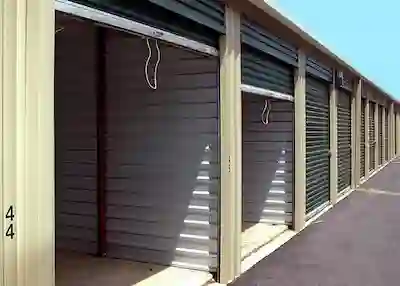
- On-site storage: Using shipping containers as storage units is a popular reason people buy, and it works in both residential and commercial settings.
- Construction site storage: Containers are widely used on active job sites to lock up tools and materials. See our page on construction site storage containers.
- Business and commercial use: Retail stock, product warehousing, and archive storage all benefit from containers that are clean, dry, and secure.
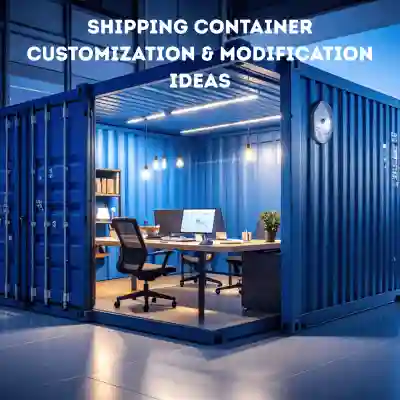
- Office space and workspaces: Containers make roomy portable offices. A customer-facing space needs a better starting condition than a basic storage container.
- Residential and custom builds: Buyers also convert containers into homes, gyms, shops, and even pools.
- Shipping cargo: This is the original use. Containers that will carry freight need valid CSC certification, so they must be cargo-worthy containers or better.
Step 2: Choose from the common shipping container types
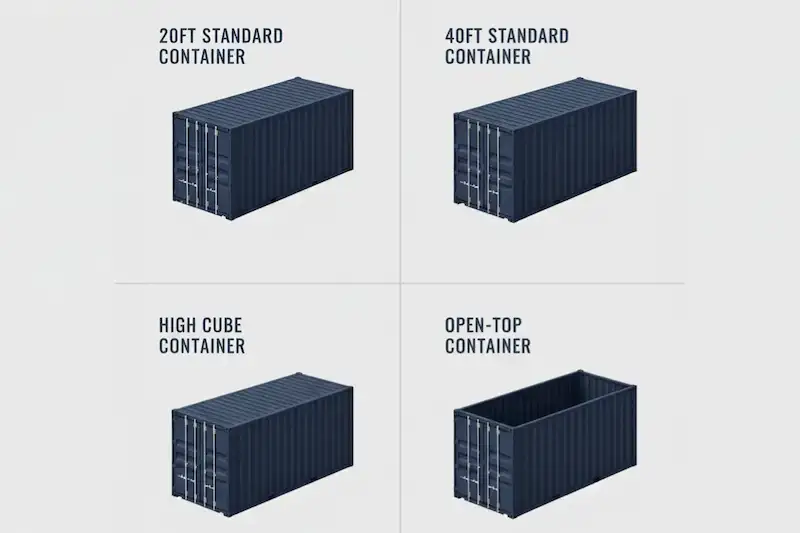
Many container types are on the market, and the right one depends on your use case. These are the most common.
Standard dry shipping containers
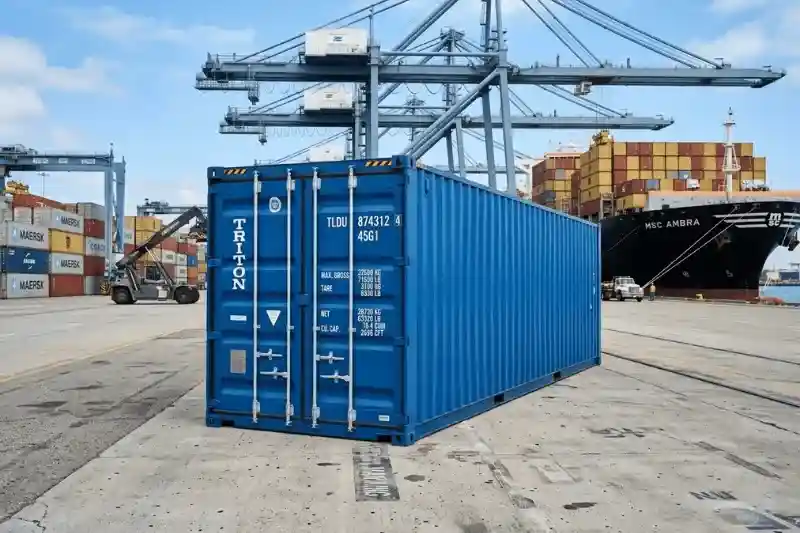
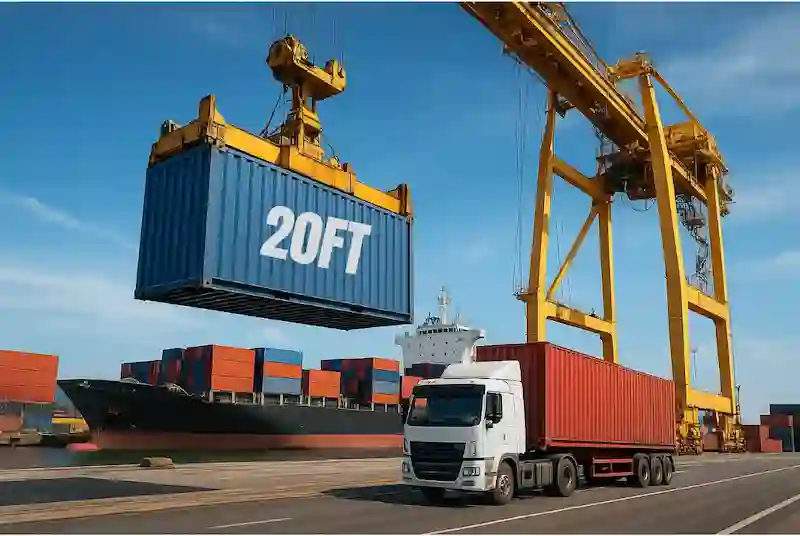
Standard shipping containers are the most widely available option and the default choice for most buyers. Built from Corten steel, they carry general dry cargo and come as 20ft shipping containers and 40ft shipping containers. Pelican also supplies 10ft, 45ft, and 53ft units.
Standard containers work well for long-term storage and for most conversion projects. They stack easily, and you can buy them new or used because supply is deep. Many standard units include forklift pockets, which make it easier to move empty containers around a yard or depot.
High cube shipping containers
High cube shipping containers stand 9ft 6in tall, one foot taller than standard shipping containers, which stand 8ft 6in. That extra foot matters for bulky cargo, workshop conversions, and office space. A high cube gives you more cubic capacity without a bigger footprint, and the price premium over a standard-height unit is usually modest.
Refrigerated containers
Refrigerated containers (also called reefer containers) have built-in cooling systems that hold a set temperature. They suit food storage, pharmaceutical inventory, cold chain logistics, and any cargo that must stay within a temperature range.
Reefers need a power source to run and cost more to buy and operate than standard dry containers. Unless your cargo is temperature-controlled, a standard container will do the job.
Specialized containers
Beyond standard and refrigerated units, these types cover less common needs:
- Double door containers open at both ends, which speeds up loading.
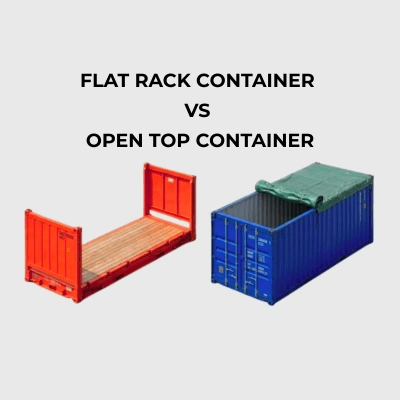
- Open-top containers have no roof, so cranes or heavy machinery can load them from above. They suit oversized cargo that won’t fit inside a high cube.
- Flat rack containers carry oversized or irregularly shaped loads.
- Open side containers give full-width access, which suits storage and modifications.
Most storage and conversion buyers don’t need these. If you do, browse the full guide to shipping container sizes and types.
Step 3: Choose new vs used and the right condition grade
Once you’ve picked a type, choose its condition. You can buy a new (one-trip) container or a used one, and used containers come in several grades.
What is a one-trip (new) shipping container?
A one-trip shipping container has made a single overseas journey, typically from a manufacturer in Asia to a US port. It isn’t factory-new in the literal sense, but it is in near-pristine condition: minimal dents or surface marks, a clean interior, intact flooring, and doors that seal and work properly.
A one-trip container is the right choice when:
- You need a good-looking container for a customer-facing project.
- You’re doing a conversion that needs clean, sound steel to work with.
- You want to keep long-term maintenance to a minimum.
Used shipping containers explained
Used shipping containers have been through multiple freight cycles. Expect surface rust, minor dents, repainted areas, and varying wear on the flooring and door hardware. As long as the structure is sound, cosmetic wear doesn’t stop a used container from doing its job as storage.
Used containers are a practical choice for basic storage when you don’t need a pristine starting point. They cost significantly less than one-trip units and are widely available in the US market.
One-trip vs used: cost, condition, and lifespan
One-trip containers cost more than used ones. You’re paying for better condition, newer materials, and less upkeep over the years you own it.
| Factor | One-trip | Used |
|---|---|---|
| Condition | Near-pristine: minimal dents, clean interior, intact floor, doors that seal | Some rust, minor dents, repainted areas, varying wear on the floor and door hardware |
| Cost | Higher upfront | Significantly lower |
| Best for | Conversions, customer-facing projects, low upkeep | Basic storage and shipping where appearance doesn’t matter |
| Upkeep | The least | Keep it off wet ground, treat rust early, replace worn door seals |
If you plan to convert the container into an office, a container home, or any other custom build, start with a one-trip unit. The cleaner steel gives you more to work with. For storage or shipping where appearance doesn’t matter, a well-inspected used container is a smart buy and doesn’t need the higher upfront cost.
Lifespan depends more on condition and care than on the label. A one-trip container starts with the most service life left, and a used container can also last for years with regular upkeep.
Our guide to the one trip vs used container decision compares them in more detail.
Shipping container conditions and grading
Sellers use standard condition grades. From lowest to highest, you’ll see these five:
- As-is: Sold without repairs, usually with damage. It’s the cheapest grade, so budget for repair costs.
- Wind and watertight (WWT): Sound and weatherproof, but the CSC certification has expired, so it’s meant for local storage rather than shipping. Most storage buyers choose this grade, and these watertight shipping containers keep wind and rain out.
- Cargo-worthy (CW): Certified by a licensed third-party surveyor, with a new inspection sticker on the CSC plate. These cargo worthy containers can go back into international freight.
- IICL: Used containers maintained to the IICL repair and inspection standard, generally 3 to 5 years old and sold in very good condition.
- One-trip: Made a single trip from the factory to its destination. It’s the highest grade and the most expensive.
Most storage buyers don’t need CSC (Convention for Safe Containers) certification, which international cargo shipping requires. For fixed storage or a conversion, WWT or CW is enough. For a deeper breakdown, see our guide to container condition grades.
Step 4: How much does it cost to purchase a shipping container?
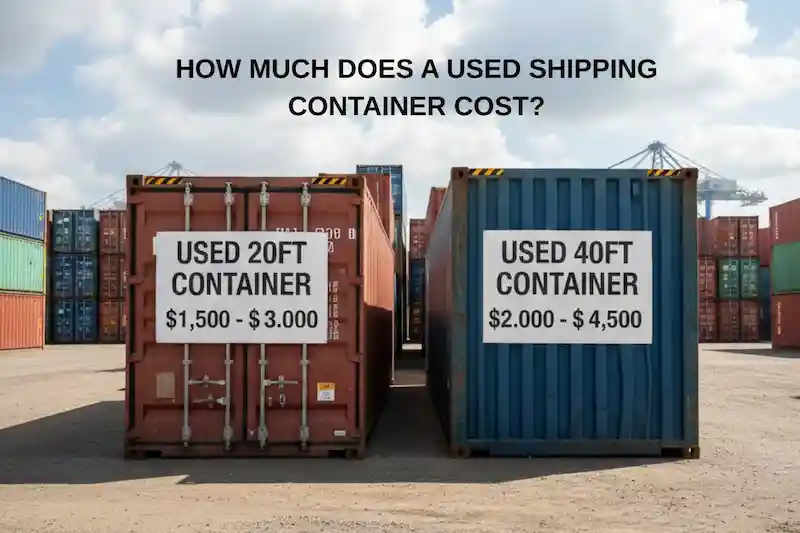
Used containers start around $1,500 and rise with size and grade, while new (one-trip) containers run from about $2,500 to $7,000. The exact price depends on container size, condition, and location. For current numbers, check our prices page and the full shipping container cost guide.
Factors that affect shipping container prices
- Size: Bigger containers cost more. Shipping container sizes run from 10ft to 53ft, and longer containers cost more. A high cube costs a little more than a standard container of the same length.
- Condition: One-trip containers cost the most. Used shipping containers cost less, with cargo-worthy in the middle and WWT and as-is at the low end.
- Location: Containers at port depots near major coastal cities cost less than ones that must travel inland. The farther your site is from a major depot, the higher the total landed cost to deliver shipping containers.
- Market availability: When supply outruns demand, prices drop. When demand outruns supply, they rise.
- Delivery: Shipping container delivery is a separate cost on top of the purchase price. It depends on distance from the depot, site access, and delivery method, and a container’s tare weight can also affect transport costs.
Is a 40ft container always better value than a 20ft?
A 40ft container costs more than a 20ft but holds about twice the space, so it often works out cheaper per cubic foot. Whether it’s the better value for you depends on your site and storage container needs.
A 40ft unit needs more clearance for delivery and more ground space for placement. If limited road width, overhead obstructions, or too little ground space rule it out, it’s the wrong choice. Match the container size to your use case and to the physical limits of your site. Otherwise you risk damaging the site or the container.
Step 5: Find a supplier to buy a shipping container from
You can buy shipping containers directly from trusted suppliers like Pelican Containers, through online marketplaces (where listings may not be vetted), or from ports (where prices can run higher because there’s less room to negotiate). Each option differs in transparency, reliability, and service.
Buying from a specialized container supplier
Specialized suppliers like Pelican Containers keep vetted, inspected inventory and work directly with buyers to match the right container to the job. You get accurate information about the container before you pay, coordinated delivery, and a salesperson who knows the inventory.
This is usually the safest way to buy a shipping container, especially if it’s your first purchase or you’re planning a conversion where condition can’t be a gamble. Our Best Price Guarantee backs the pricing side of that.
Buying from online marketplaces or classifieds
Marketplaces and classified sites list containers at a wide range of prices, but the listings are rarely vetted. Some describe the container accurately. Others overstate the condition, list inventory that doesn’t exist, or come from sellers who take no responsibility for what they deliver.
If you use these platforms, confirm the seller has a physical inventory location, ask for current photos of the actual unit (not stock images), and settle delivery logistics before you send any money. The lowest-priced listings often carry the most risk, and they are a common lure in shipping container scams.
Step 6: How to inspect a shipping container before buying
Check structural integrity and frame alignment
Start with the frame. Make sure the corner posts, top and bottom rails, and steel cross members are straight and undamaged. Frame damage keeps the doors from opening and closing properly, which is usually the most visible sign of misalignment. To check:
- Open and close every door during the inspection.
- Doors should move smoothly, and the seals should close tight against the frame.
Structural integrity matters most here: problems with the primary structure are far harder to repair than ordinary wear and tear.
Check the roof, floor, and door seals
- Roof: Look for dents, punctures, or compromised panels. Even small breaches let water in over time.
- Floor: Container floors are marine grade plywood set on steel supports. Press on the surface to find soft spots, which point to rot or delamination, and look for cracks, warping, or damaged boards.
- Door seals: Check the rubber gaskets for cracking, compression, or sections pulling away from the frame. Replacing seals is a manageable repair, but damaged seals missed before purchase can ruin stored goods.
- Interior: Step inside, close the doors, and look for light coming through the walls, roof, or floor. Any visible light is a gap that lets water and pests in.
At Pelican Containers, every container is inspected to confirm it meets the condition you ordered, and we back our containers with an exclusive limited warranty.
Shipping container survey
Besides a manual inspection, you can book a shipping container survey. A professional surveyor checks the unit for dents, holes, corrosion, and other damage, and confirms its documents, including the CSC plate that shows compliance with international safety standards. You get a written report that describes the condition of the container you’re about to buy.
Surveys usually cost around $150 to $300 per unit and are normally optional. Ask your supplier whether one can be arranged before purchase.
Step 7: Plan shipping container delivery, placement, and site preparation
Safe shipping container delivery gets the container to your site intact and where you want it, and it depends on delivery site preparation you do before the truck arrives.
Space requirements for container delivery
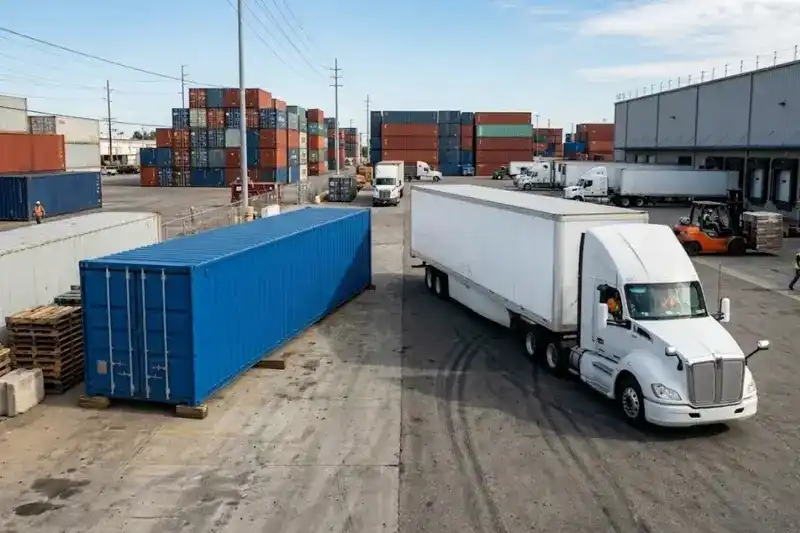
Most buyers get their container on a tilt-bed truck, which slides it onto the ground with no extra equipment. A flatbed trailer is the cheapest option, but it can’t unload itself, so you need a forklift or crane on site. A side loader or crane truck handles tight sites. Whichever truck is used, plan for this much straight space:
| Container | Straight space needed, including the truck |
|---|---|
| 20ft | about 75 linear feet |
| 40ft and 45ft | about 120 linear feet |
Along the route, the truck needs 12 feet of width and 13.5 feet of height, and up to 16 feet of height when the bed tilts.
Check road width, turning radius, and overhead obstructions such as power lines and trees. Confirm these measurements before you place your order. Our container delivery guidelines cover truck types and what to prepare before the driver arrives. If a standard truck can’t reach your placement spot, talk to your supplier about delivery site preparation and other delivery methods now to avoid last-minute costs.
Ground preparation and leveling
A level surface matters for two reasons.
- An unlevel container strains the frame and causes door alignment problems over time.
- A container sitting directly on uneven soil traps moisture under the steel floor, which speeds up corrosion and eventual damage.
Compacted gravel, concrete pads, railroad ties, or concrete blocks at the four corners all work. The goal is a firm, level base that keeps the container off the soil and lets water drain around and beneath it. See our guide to shipping container foundations for options.
Step 8: Check permits and local regulations
Zoning rules vary by area. Some areas treat containers as temporary structures that need no permit. Others classify them as permanent structures, which brings in building codes, setback requirements, and HOA rules.
Before you buy shipping containers for a fixed installation, contact your local planning or zoning office to confirm what you need. The answer affects where the container can sit, how long it can stay, and whether any modifications need extra approval. Our guide to placing a shipping container on your property goes further.
Buy vs rent a shipping container: which one is right for you?
Renting makes sense for short-term needs, such as seasonal inventory or a project with a fixed end date. Monthly rental costs add up quickly, so once you need a container for roughly a year or more, buying usually costs less. Our renting vs buying a shipping container guide runs the numbers.
When you buy, you own an asset that tends to hold its value, particularly one-trip and cargo-worthy units in good condition, and you can resell it when you no longer need it. For long term storage, permanent on site storage, or any conversion project, buying is usually the sound financial choice.
If upfront cost is the obstacle, ask your supplier whether rent-to-own is available, which lets you pay monthly while you use the container.
Common mistakes to avoid when buying a shipping container
Most problems come from skipping a step in how to buy a shipping container, so treat the eight steps above as a checklist. First-time buyers tend to repeat the same six mistakes.
- Choosing the wrong size: Many buyers pick a size by price instead of use. Too small creates space constraints. Too big complicates delivery and placement.
- Ignoring delivery access: Don’t assume a container can be delivered anywhere. Confirm road width, overhead clearance, and the approach path before you order.
- Putting the lowest price ahead of condition: As-is and deeply discounted containers often hide damage, frame problems, or floor issues, and the repair bills add up.
- Skipping the inspection: Even with a reputable supplier, ask for current photos of the actual container. For in-person purchases, inspect before you sign. For online purchases, inspect right after delivery.
- Leaving delivery out of the budget: The purchase price and the delivered price are different numbers. Always get a full delivered quote before you compare suppliers.
- Buying from untrustworthy sources: You can follow every tip in this guide and still lose money to a bad seller. Check reviews, confirm the seller is verified or has a business profile, and avoid deals that look too good to be true. Support and warranty terms matter too.
For a shorter checklist, see our 10 things to know before buying a shipping container and the container buyer’s guide.
Why buy a shipping container from Pelican Containers
Pelican Containers keeps inspected inventory across container sizes and condition grades, and we deliver shipping containers from depots across the United States. Every container is assessed before sale, so you get accurate condition information instead of finding problems after delivery.
Our team works with you to identify the right container for your use case, whether that’s a standard storage container, a high cube unit for a workspace conversion, or a one-trip container for a custom build. You can ask for a quote that includes delivery, so you know the full cost before you commit. Every container also comes with our exclusive limited warranty.
Ready to buy a shipping container, or want guidance first? Get a quote with your size, grade, and delivery ZIP code, and our team will walk you through current inventory, condition grades, and delivery options for your location.
Vatsala Singh is a B2B content strategist and writer specializing in the shipping, logistics, and container industry. She has written extensively about container types, container modifications, procurement challenges, and the market shifts that influence container demand.
With a Master’s degree in English Literature and strong research skills, she brings depth, clarity, and accuracy to every article. Through her content, she combines industry knowledge with practical insight, helping readers understand what’s happening in global trade and how it affects container buyers, freight forwarders, and equipment managers.
When she’s not writing, Vatsala is usually reading fiction, exploring new ideas, or learning about how different industries work.
She believes that good content should simplify complexity, support smarter decisions, and make the container world easier to navigate, one article at a time.
Frequently asked questions about buying shipping containers
How do I know what size shipping container I need?
Start with what you plan to store or build. A 20ft container holds roughly 1,170 cubic feet and suits most residential storage and smaller projects. A 40ft container holds about 2,390 cubic feet and fits larger storage, commercial use, or full conversions. For a workspace or office, a high cube adds a foot of interior height. Check your delivery access before you commit to 40ft.
What is the difference between cargo-worthy and wind and watertight shipping containers?
A cargo-worthy (CW) container has passed a surveyor’s inspection and carries a valid CSC plate, so it can go back into international freight. A wind and watertight (WWT) container is sound and weatherproof, but its CSC certification has expired, so it is meant for local use. For fixed storage, WWT is usually enough. You only need CSC certification if the container will ship cargo overseas.
Do I need a permit to place a shipping container on my property?
It depends on your local zoning. Some jurisdictions treat a container as a temporary structure with no permit, while others apply building codes, setback rules, HOA restrictions, or time limits. Contact your local planning or zoning office before you order, because the answer affects where the container can go and how long it can stay.
How much does it cost to buy a shipping container?
Used containers start around $1,500 and one-trip containers run roughly $2,500 to $7,000, depending on size, condition grade, and location. Delivery is a separate cost that depends on distance from the depot and site access. Request a delivered quote so you can compare suppliers on the full price.
Where can I buy a shipping container?
You can buy from a specialized container supplier, an online marketplace, or a port depot. Suppliers usually sell inspected inventory with condition grading and coordinated delivery. Marketplace listings are often unverified, so confirm the seller has physical inventory, ask for current photos of the actual unit, and settle delivery before you pay. Pelican Containers sells inspected inventory with delivery from depots across the US.
How do I buy a shipping container?
Define your use, then choose the type, size, and condition grade. Get a quote that includes delivery, confirm the delivery truck can reach your site, and check local zoning. Buy from a supplier that gives you inspection details and support, and inspect the container before purchase or as soon as it arrives.
Is it profitable to buy shipping containers and rent them out?
It can be, but it depends on demand, utilization, and costs. Many owners lease containers for storage or job-site use, which works best where demand is steady. Count the purchase price, delivery, placement, maintenance, and idle time before you rely on a return. Our container investment guide goes through the numbers.