Used Shipping Container Benefits: 5 Reasons to Buy One

A used shipping container gives you a steel, lockable, weather-tight box, usually for less than it costs to build comparable space. The main used shipping container benefits: it works as storage the day it arrives, it’s secure, it’s easy to modify, it holds resale value if you look after it, and it keeps existing steel in use.
If you’re buying containers to lease or resell rather than to use, read our shipping container investment guide instead.

What are the used shipping container benefits?
1. It works as storage the day it arrives
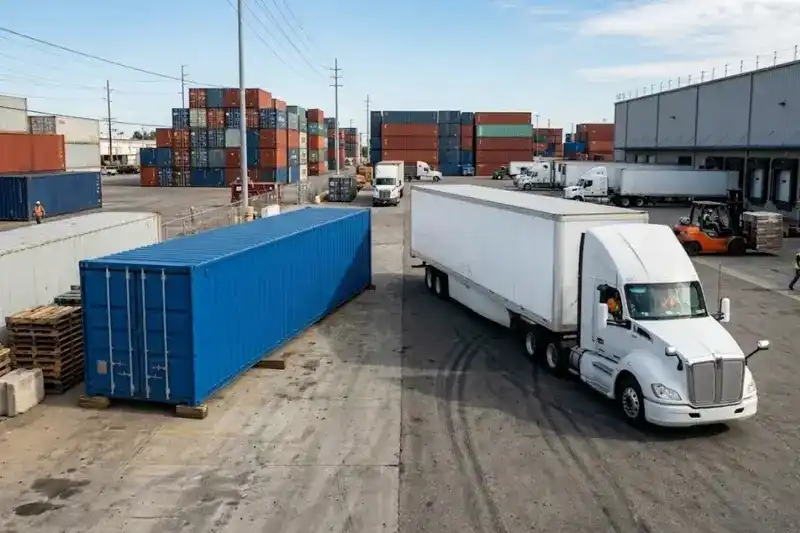
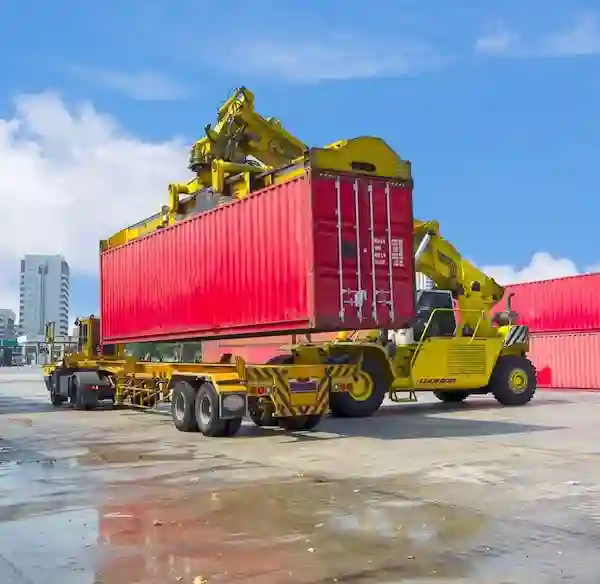
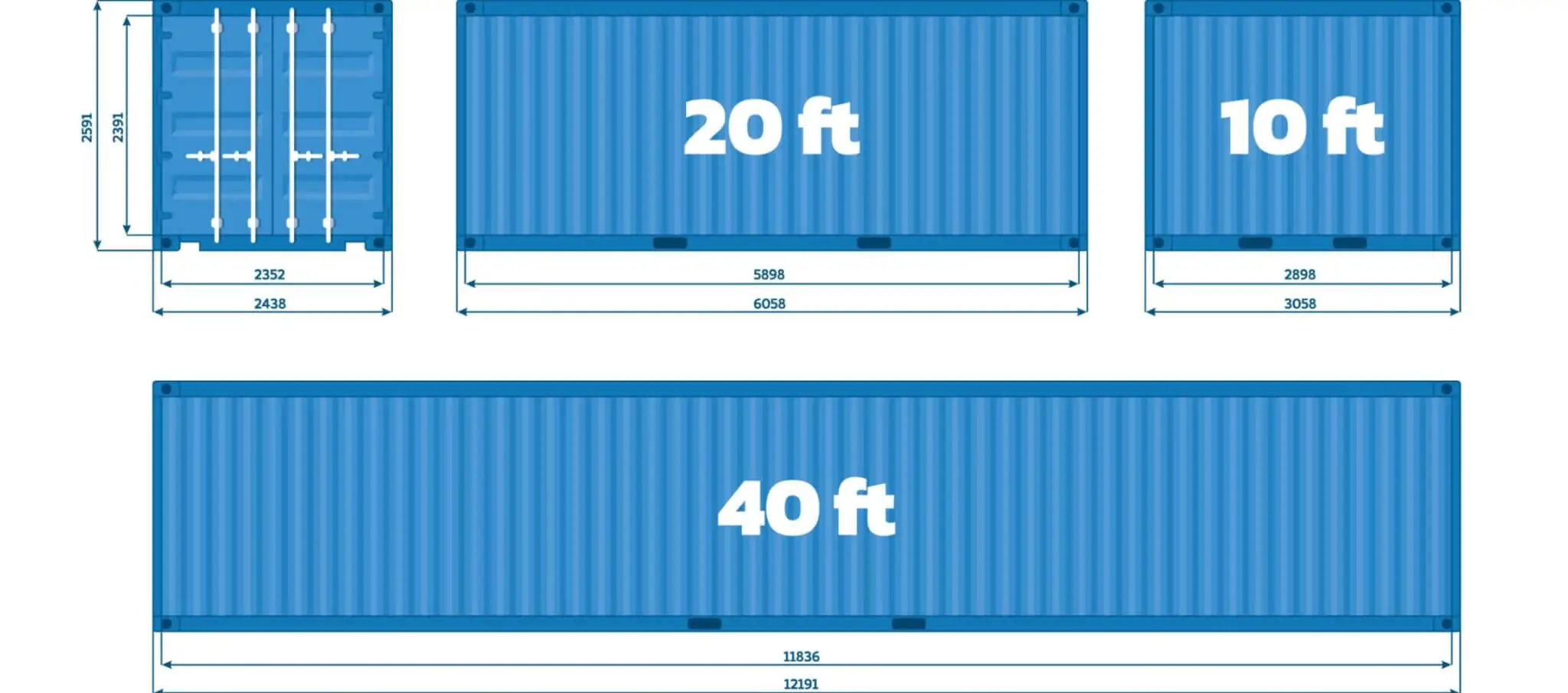
A container is delivered by truck and set down on level ground. In most cases, you don’t pour a foundation, and you can start loading it right away. A business can keep stock or tools on site. A homeowner gets a garage or shed that is bigger and sturdier than most kits. A 20ft shipping container fits where a 40ft won’t, so measure the delivery route and the drop spot first.
See how contractors use them in our construction site storage guide.
2. It’s built to be secure and weather-tight
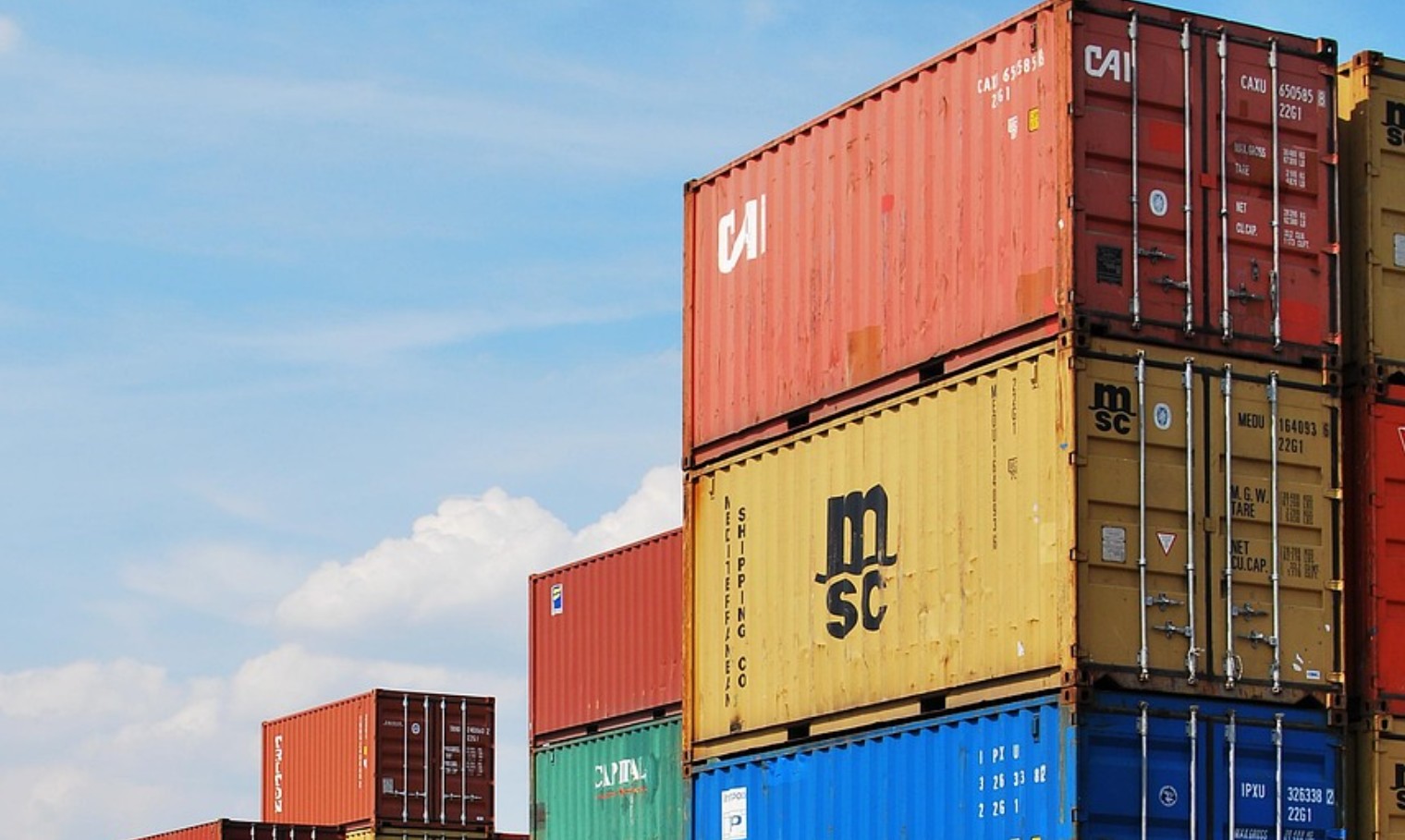
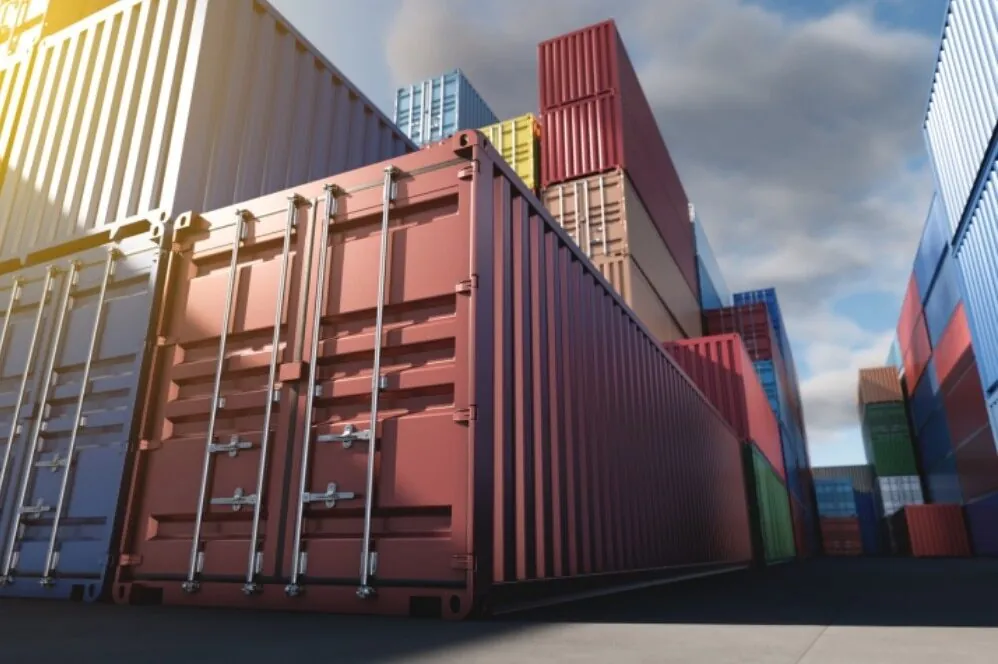
Containers are made from Corten steel with marine-grade plywood floors and locking bars on the doors, because they’re built to survive months at sea. A used unit graded wind and water tight (WWT) keeps out rain and wind, and the steel shell is hard to cut through.
No container is theft-proof. A good lock does the rest of the work, and our guide to choosing a container lock helps you pick one.
3. It’s easy to modify
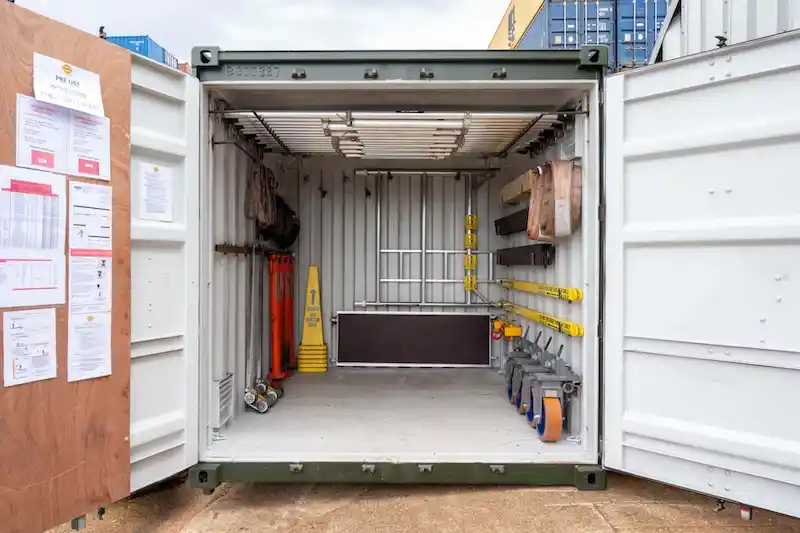
The design is a plain steel box, so it takes changes well. People add shelving, extra doors, windows, vents, insulation and partitions. The same box can become a workshop, an office, a pop-up shop or a cafe.
Pelican Containers supplies the base container, and a contractor or specialist you choose does the modifications. Start with our container modification ideas.
4. It holds its value if you look after it
Used containers have an active secondary market, so a well-kept one can be resold when your project ends. Value follows condition: a unit that is wind and water tight, rust-treated and still closes and locks properly sells better than one that has been neglected. A container is not an appreciating asset, so count resale as a way to recover part of what you paid.
Our container condition grades show what each grade means for resale.
5. It keeps existing steel in use
Many containers leave ocean service while the steel shell is still sound. Buying one for land use means a box that already exists gets a second job, instead of a new one being built for you. If you’re weighing used against a one-trip unit, see one-trip vs used containers.
What should you check before you buy a used shipping container?
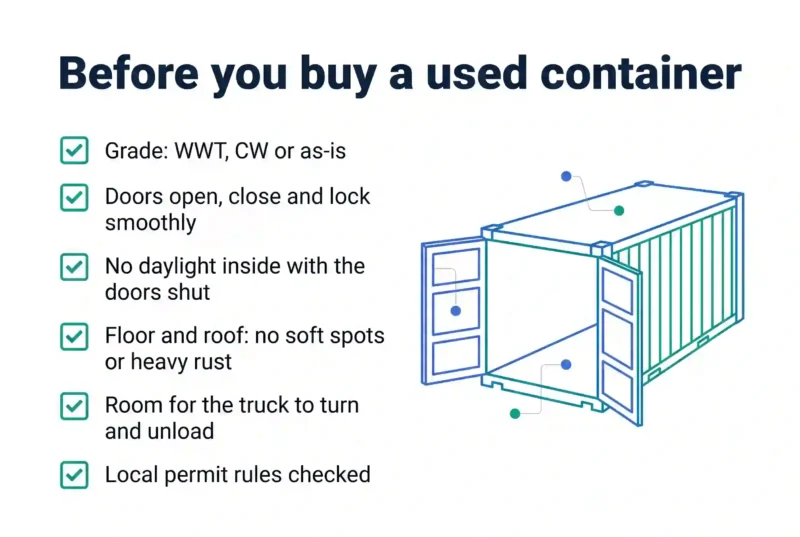
- Grade: wind and water tight (WWT) is for storage. Cargo-worthy (CW) means it’s certified to go back on a ship. As-is has no guarantee.
- Doors and seals: they should open, close and lock smoothly. Stand inside with the doors shut. Any daylight means a leak.
- Floor and roof: look for soft spots, heavy rust and dents where water could pool.
- Delivery access: a truck needs room to turn and a level spot to set the container down.
- Local rules: some cities and counties require a permit or limit where a container can sit.
For a longer checklist, read 10 things to know before buying a shipping container.
Is a used container the right choice for you?
The used shipping container benefits above add up when you need a sound box for storage or a project and don’t need it to go back on a ship. Three related questions have their own guides:
- New vs used shipping containers if you’re deciding on grade.
- Renting vs buying a shipping container if you only need space for a short time.
- How much a used shipping container costs if you’re setting a budget.
Ready to buy? Send us the size, grade and your delivery ZIP code and we’ll quote what’s in stock at the nearest depot. Get a quote.
Vatsala Singh is a B2B content strategist and writer specializing in the shipping, logistics, and container industry. She has written extensively about container types, container modifications, procurement challenges, and the market shifts that influence container demand.
With a Master’s degree in English Literature and strong research skills, she brings depth, clarity, and accuracy to every article. Through her content, she combines industry knowledge with practical insight, helping readers understand what’s happening in global trade and how it affects container buyers, freight forwarders, and equipment managers.
When she’s not writing, Vatsala is usually reading fiction, exploring new ideas, or learning about how different industries work.
She believes that good content should simplify complexity, support smarter decisions, and make the container world easier to navigate, one article at a time.
Frequently Asked Questions
Are used shipping containers a good buy?
For storage and most site uses, yes. A used container is secure, weather-tight and ready on delivery. Buy the right grade and inspect the doors, floor and roof before you commit.
What does wind and water tight mean?
Wind and water tight (WWT) means the container keeps out wind and rain and is meant for storage. Cargo-worthy (CW) means it is certified to go back on a ship. A WWT unit may have dents or surface rust that don’t affect its use as storage.
Can you modify a used shipping container?
Yes. Shelving, doors, windows, vents, insulation and partitions are all common. We supply the base container, and a contractor or specialist does the work.
Do you need a permit to put a shipping container on your property?
It depends on your city or county. Some require a permit or restrict placement, so check local zoning rules before delivery.
Is buying a used container the same as investing in containers?
No. Buying a container to use for storage or a project is different from buying containers to lease or resell. For the second case, read our shipping container investment guide.