What Is a One-Trip Shipping Container?

A one-trip shipping container is a near-new container, usually manufactured in Asia, used for a single journey to the destination country before sale. These containers are in excellent condition, with minimal wear and no rust or deep dents, and have a lifespan of 20+ years, making them ideal for long-term storage, high-end modifications, or housing projects.
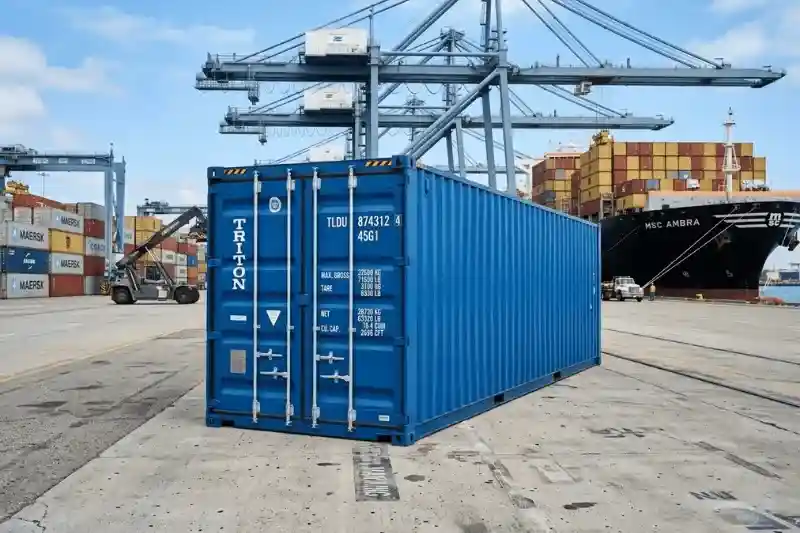
Read this blog to learn all about one-trip containers, their uses, how they’re different from other container conditions, and whether it makes sense for you to invest in one.
Key takeaways
- A one-trip (single-use) shipping container is a near-new container that has been used for a single trip from its manufacturing country to the destination country, usually filled with cargo.
- The price of a one-trip container is between $3,500 and $5,000. It costs more than used containers, but one-trip units have a cleaner appearance, a longer lifespan, and require fewer repairs.
- One-trip units are most commonly used for business, high-end storage, residential conversions, or secure commercial applications.
Pelican Containers offers inspected one-trip shipping containers for sale with nationwide delivery, clear condition grading, and flexible options to match your budget and project needs. Request a quote here.
Why are One-Trip Shipping Containers Sold After Their First Journey?
A one-trip shipping container is used only once for international shipping because it is often more cost-effective for shipping lines to sell such containers at their destination rather than incurring the high costs of storing, maintaining, or shipping empty containers back.
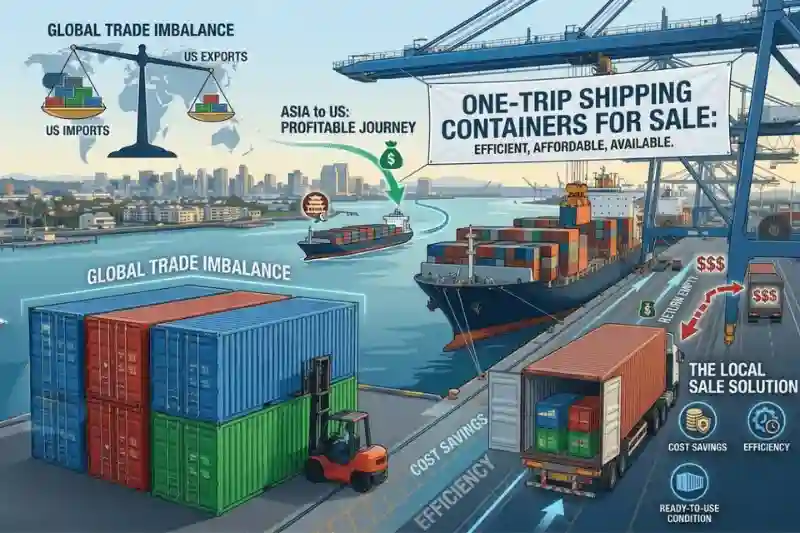
Let’s understand the reasons in more detail below.
Manufacturing in Asia
Most shipping containers are manufactured in Asia. Plus, Asia exports a lot of goods to other parts of the world. So shipping lines use these new units, and instead of shipping them empty, fill them with cargo to generate revenue on that first trip.
Once the cargo reaches the US (or any other destination country) and is unloaded, the container has already completed a profitable journey.
From there, the shipping line must decide whether it makes sense to move that specific container back into circulation. If it does, they continue using it themselves. But in most cases, they sell that container in the US, making it a one-trip shipping container.
Global Trade Imbalance
Another reason that the one-trip shipping container exists is that international trade flows are uneven. The US imports far more goods in shipping containers than it exports.
When export demand doesn’t match import volume, containers start to pile up at ports and inland depots.
Over time, this creates container surpluses in certain regions. Shipping lines don’t need unlimited containers sitting idle in the same locations, even if they’re still in excellent condition, like new ones, so they still sell them.
Cost of Returning Empty Containers
Repositioning empty containers is expensive. It involves inland transport, storage, port handling, and ocean freight. In many cases, the cost of sending an empty container back overseas is higher than what the container can sell for locally.
For a container that has already earned revenue on its first trip, selling it in the US avoids those additional costs. This is often the most practical financial decision for shipping lines, especially when surplus containers accumulate in one area.
Efficiency for Shipping Lines
When you combine all these factors, selling one trip shipping containers improves the efficiency for shipping lines.
- It frees up yard space
- Reduces handling expenses
- Returns capital that can be reinvested into new equipment where it’s actually needed.
By selling locally, shipping lines avoid empty return trips, reduce handling and storage expenses, and keep their container fleets where demand actually exists.
At the same time, buyers benefit from getting near-new containers.
What is the Condition of a One-Trip Shipping Container?
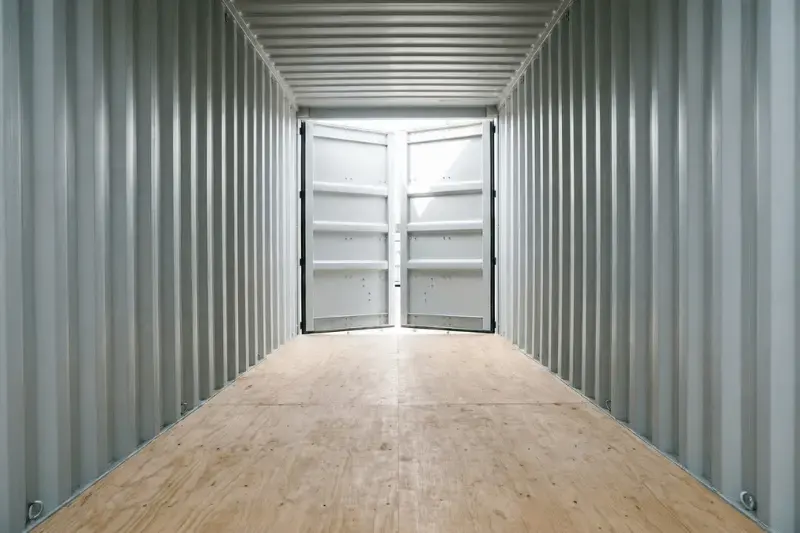
One-trip shipping containers feature:
- Clean, odor-free interiors
- Minimal dents or cosmetic marks from handling
- Straight steel walls and frames
- Flat roofs with no pooling
- Solid marine-grade plywood flooring
- Tight, smooth-operating doors
They are structurally sound and typically certified for cargo use. While minor handling marks are normal, they haven’t been exposed to years of stacking, saltwater air, or repeated cargo loading cycles.
Most of them easily last for 20-years, regardless of whether you’re using them for storage, modifications, or at construction sites. We’ll discuss their uses more, but first, let’s understand how a one-trip shipping container differs from a cargo-worthy container and a new one.
New Shipping Container vs One Trip
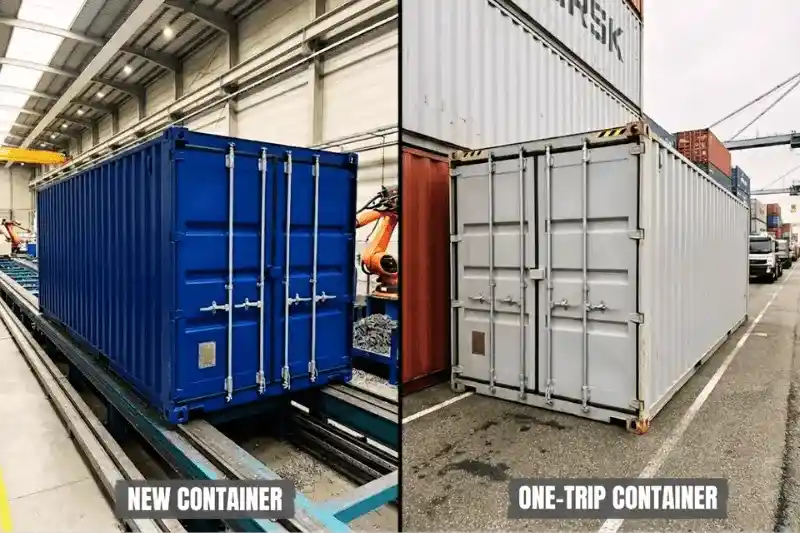
A truly new container is fresh from the factory and has never been loaded with cargo or shipped internationally. A one-trip container, on the other hand, has completed a single overseas journey carrying cargo once before being sold.
In practice, most containers advertised as “new” in the US are actually one-trip containers. This is because the US does not manufacture shipping containers at scale. The vast majority of containers are built in Asia, loaded with cargo at the factory, and shipped to US ports as part of global supply chains.
Once that cargo is delivered, selling the container locally is often more practical than returning it overseas empty. As a result, one-trip containers make up most of the near-new inventory available in the US, while truly unused containers are quite uncommon.
One Trip vs Used Shipping Container: What’s the Difference?
One-trip containers are near-new, high-quality units used once to transport goods, offering a long lifespan (20+ years) and pristine condition, ideal for modifications or secure storage. A used shipping container is older (10–20+ years), cost-effective, durable, and suited for rugged, functional, long-term, non-critical storage.
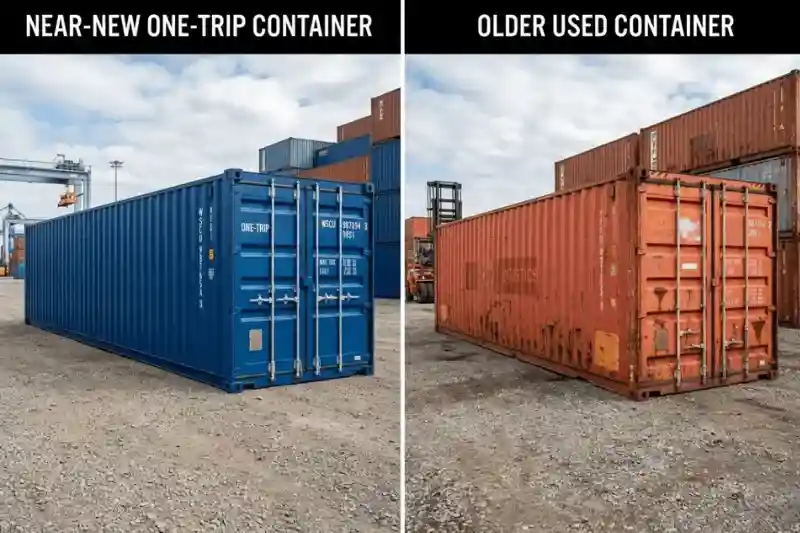
Read on to know more.
One Trip vs Used shipping container: Condition and Appearance
A used shipping container often shows visible wear from years of service. This includes dents, surface rust, patched floors, and worn paint. They remain functional, and most conditions of used containers, like cargo-worthy, are water- and windproof, but their appearance reflects heavy use.
A one-trip shipping container, on the other hand, looks far cleaner. It doesn’t have visible dents, has clean, odor-free interiors, and has its color intact. This matters for projects where appearance, cleanliness, or long-term durability is important.
One Trip vs Used Shipping Container: Price Differences
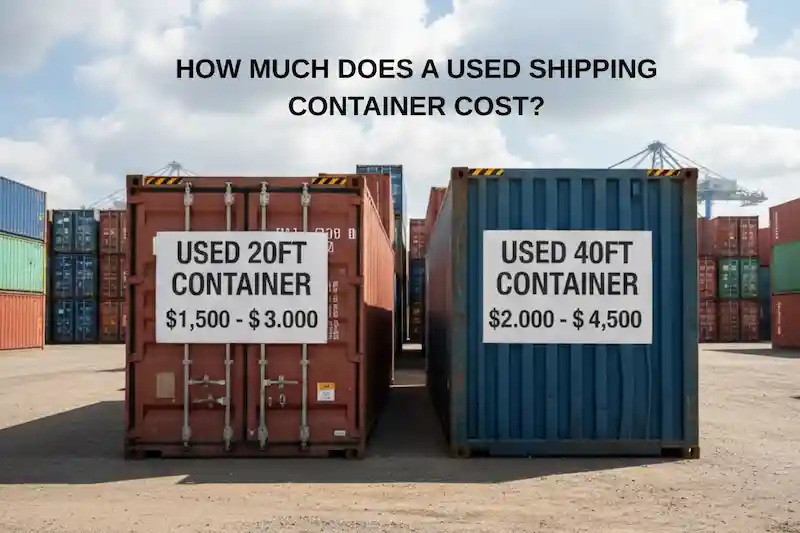
One-trip shipping containers cost around $3,500–$5,000. Their prices are higher than those of used containers, which cost about $1,500- $4,500, due to their condition and remaining lifespan.
The higher upfront cost is often justified when the container plays a visible or long-term role in your operation. Most customers invest in a one-trip container when:
- The container will be seen by customers
- Will be used as the base for a conversion or build-out
- Relied on for clean and dry storage
- Kept in service for many years without frequent repairs.
For basic job-site storage or short-term needs, a used shipping container may be more cost-effective.
Pro tip: Read our detailed guide on how much shipping containers cost to get a better idea of container prices and the factors that affect them, like shipping container grades or sizes.
What are The Common Uses for One-Trip Shipping Containers?
One-trip shipping containers, which are in excellent condition since they’ve made only a single trip, are most commonly used for business, high-end storage, residential conversions, and professional, branded, or secure commercial applications.
Storage and Business Use
Businesses often choose one-trip containers for storage because they’re clean and odor-free.
This matters when you’re storing boxed inventory, packaged materials, electronics, tools, or equipment that shouldn’t be stored in a container with years of accumulated residue, floor staining, or lingering odors.
For retail, distribution, and light industrial use, a near-new interior reduces the risk of moisture damage, contamination, and time spent cleaning or repairing the unit before it can be used.
Container Modifications and Conversions
One-trip shipping containers are excellent choices for modification or conversion projects. Usually, when you want to build a container home, a container storm shelter, or any other modification, you’ll want to use it for years to come. One-trip containers can easily last for up to 20 years.
Moreover, one-trip containers are easier to modify because their structure hasn’t been stressed by years of stacking and heavy use.
- Straight walls make it simpler to frame interiors, cut door or window openings, and install insulation.
- Solid floors and intact door frames also reduce prep work, which helps keep conversion costs and timelines more predictable.
One-trip containers require fewer overall repairs, so you can start modifying them right away.
Construction Sites and Temporary Projects
While one-trip containers look aesthetically pleasing, they also offer greater durability for construction sites and temporary projects.
These containers are often used as secure storage units, tool rooms, or temporary site offices because doors seal properly, floors are intact, and there’s less risk of leaks.
This reduces downtime caused by stuck doors, water intrusion, or unplanned repairs during active projects, especially when containers are moved or repositioned multiple times.
If you need a container for any of these uses, one-trip might be the right choice for you. But the next question is, which size should you choose?
What Sizes are Available for One-Trip Containers?
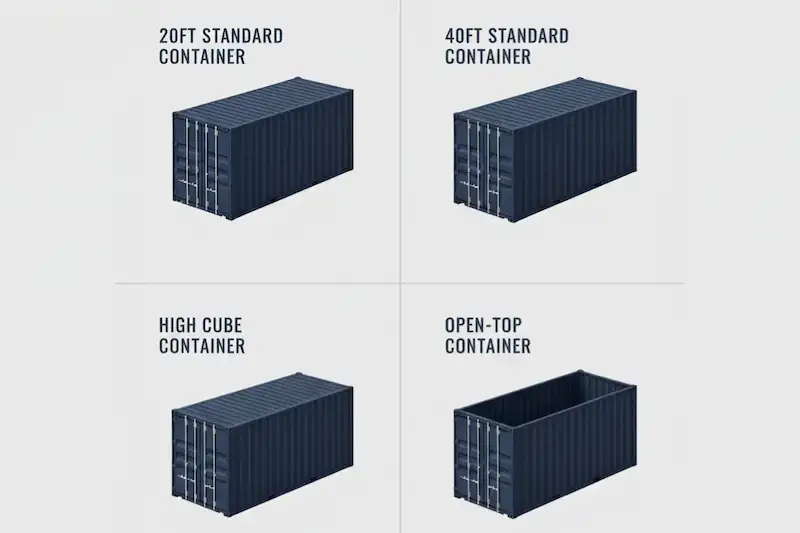
One-trip containers are typically available in standard industry sizes: 20-foot containers, 40-foot containers, and 40-foot high cube containers.
The right choice depends on your specific use case. If you’re using them for conversions, high cube containers might be the right choice for you, as they offer an additional inch of height. If you’re only using them to store a few items, a 20ft container would be the best choice.
Pro tip: Read our detailed guide on shipping container dimensions to find the right size for your project or use case.
Is a One Trip shipping Container Worth the Cost?
It is usually worth paying the higher upfront one-trip shipping containers’ cost if you’ll use it for long-term storage, container modifications, and residential or commercial projects where appearance, security, and structural consistency matter.
In practical terms, you may choose a one-trip container because they offer:
- Near-new structural condition with straight panels and intact frames
- Minimal rust or corrosion compared to older units
- Clean, undamaged flooring suitable for storage or build-outs
- Doors that seal properly, improving security and weather resistance
- Higher resale value if the container is later moved or sold
Because one-trip containers have only made a single overseas journey, they don’t have many of the common issues found in older containers, such as leaks, warped doors, or hidden floor damage.
This reduces early maintenance, repair costs, and downtime, especially for projects where the container plays a visible or permanent role.
Used shipping containers, including a cargo-worthy container, can be a solid option for you if budget is the priority and the container will be used for short-term, industrial, or purely functional storage. In those cases, aesthetics are less important, and the lower upfront cost can make more sense.
If you’re considering buying a one-trip shipping container, here’s a checklist to keep handy.
What to Check Before Buying a One-Trip Container?
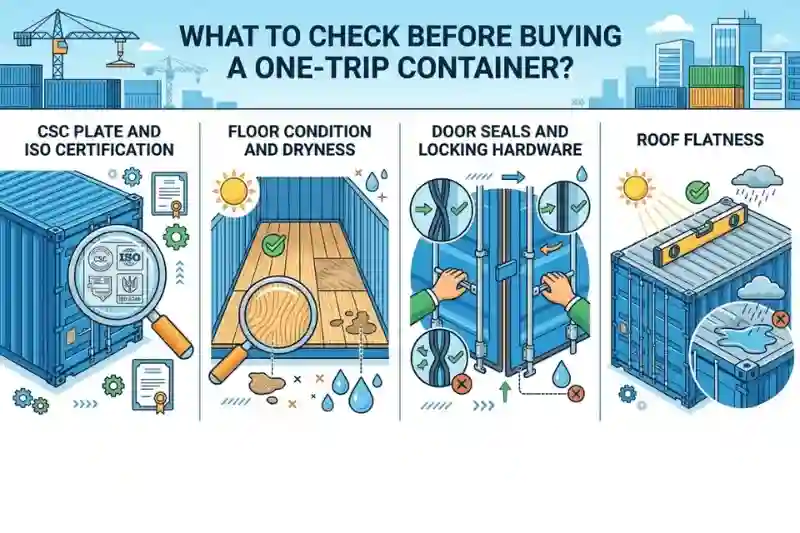
Before buying a one-trip (nearly-new) container, thoroughly inspect the unit for structural integrity, specifically checking that doors open/close easily, seals are intact (no leaks), and the floor is free of damage. Here’s a detailed checklist:
- CSC plate and ISO certification: These confirm the container meets international structural safety standards. Even if you don’t plan to ship cargo overseas, it’s a strong indicator that the container is structurally sound.
- Floor condition and dryness: Check that the plywood flooring is solid, dry, and free from soft spots or chemical staining. Floors are usually the most impacted during shipping, even on a single trip.
- Door seals and locking hardware: Open and close the doors fully. They should swing smoothly, seal tightly, and lock without force. This affects both security and weather resistance.
- Roof flatness: Look for dents or low spots on the roof that could allow water to pool over time. A flat roof helps prevent long-term leaks.
- Delivery access at your site: Confirm there’s enough space for the delivery truck, proper ground conditions, and clearance for placement. Read our in-depth guide on shipping container delivery to get our site ready for one-trip shipping container placement
Once these are covered, the next (and most important) decision is who you trust to buy one-trip containers from. The right supplier will offer the best rates for the highest-quality containers. Here’s why buyers choose Pelican Containers for this.
Why Buy a One-Trip Shipping Container from Pelican Containers
Pelican Containers is one of the best shipping container suppliers, providing containers in multiple locations across the US, Asia, the UAE, and Canada. We focus on inspected inventory and have clear shipping container grades, so you know what condition to expect before delivery.
- Each one-trip container is checked for structural integrity, floor condition, door operation, and overall readiness for use.
- This helps avoid common post-delivery issues that can delay projects or add unexpected repair costs.
We also work with 159 ports and depots in the US, making it easier to source one-trip and used containers near your location.
- Shorter transport distances often mean faster delivery and more predictable logistics, especially for larger units like 40-foot or high cube containers.
Buyers also have flexibility in choosing between new (one-trip) and used containers based on budget, appearance requirements, and intended use.
This makes it easier to compare options side by side and select a container that fits both short-term requirements and long-term plans.
If you’re ready to explore pricing or confirm availability in your area, request a quote from Pelican Containers to find your ideal one-trip shipping container for sale.
Vatsala Singh is a B2B content strategist and writer specializing in the shipping, logistics, and container industry. She has written extensively about container types, container modifications, procurement challenges, and the market shifts that influence container demand.
With a Master’s degree in English Literature and strong research skills, she brings depth, clarity, and accuracy to every article. Through her content, she combines industry knowledge with practical insight, helping readers understand what’s happening in global trade and how it affects container buyers, freight forwarders, and equipment managers.
When she’s not writing, Vatsala is usually reading fiction, exploring new ideas, or learning about how different industries work.
She believes that good content should simplify complexity, support smarter decisions, and make the container world easier to navigate, one article at a time.
Vatsala Singh is a B2B content strategist and writer specializing in the shipping, logistics, and container industry. She has written extensively about container types, container modifications, procurement challenges, and the market shifts that influence container demand.
With a Master’s degree in English Literature and strong research skills, she brings depth, clarity, and accuracy to every article. Through her content, she combines industry knowledge with practical insight, helping readers understand what’s happening in global trade and how it affects container buyers, freight forwarders, and equipment managers.
When she’s not writing, Vatsala is usually reading fiction, exploring new ideas, or learning about how different industries work.
She believes that good content should simplify complexity, support smarter decisions, and make the container world easier to navigate, one article at a time.
Frequently Asked Questions About One Trip Containers
What does one trip (single-use) shipping container mean?
A one-trip (or single-use) shipping container is a near-new shipping container that has been used only once to transport cargo from the manufacturer (usually in Asia) to its destination country
What is the lifespan of a one-trip container?
With normal use and basic maintenance, a one-trip container can last 25 to 30 years. Its lifespan is longer than most used containers because it has not been exposed to years of salt air, heavy stacking, and repeated handling.
How many trips has a one-trip container actually made?
A one-trip shipping container has completed a single international cargo journey, typically from a manufacturing facility in Asia to the United States. It is sold after that first delivery.
Why does a one-trip container cost more than a used container?
One-trip containers cost more because they are essentially new, having made only a single journey, offering superior “as-new” condition with no rust, dents, or damage, and a longer lifespan. They are equipped with valid CSC plates, ensuring they are safe for immediate, high-value, or sensitive storage needs
Are one-trip containers used for international shipping again?
They can be, but most buyers use them for storage or projects. If the CSC plate is valid, the container may still qualify for cargo use depending on regulations and inspection requirements.
Can a one-trip container be resold later?
Yes, a “one-trip” (or “single-use”) shipping container can definitely be resold later. In fact, due to their near-new condition, one-trip containers are considered highly desirable in the secondary market, holding their value much better than older, used containers.